The Independent Petroleum Marketers Association of Nigeria (IPMAN) has urged the Federal Government to establish a specialised oil and gas bank to assist independent fuel marketers struggling under the effects of fuel subsidy removal.
IPMAN National Publicity Secretary, Mr Chinedu Ukadike, made the appeal during an interview with the News Agency of Nigeria (NAN) in Abuja on Tuesday.
He said a petroleum energy bank would ease access to loans and credit facilities for marketers while helping to stabilise Nigeria’s downstream oil sector.
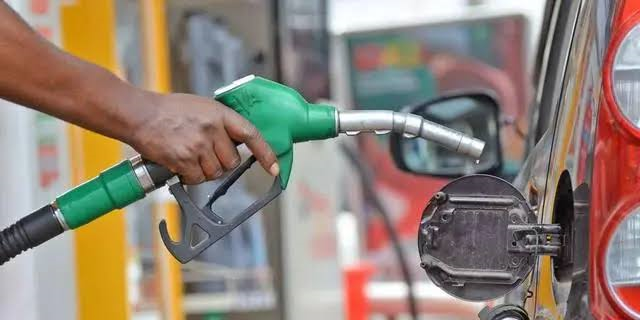
Ukadike explained that independent marketers were currently battling rising product costs, high borrowing rates, unstable fuel prices and limited access to suppliers following the deregulation of the petroleum industry.
According to him, the removal of subsidy caused the cost of petroleum products to rise sharply, increasing the financial burden on operators nationwide.
He disclosed that the cost of purchasing 45,000 litres of petroleum products surged from approximately N8 million to over N50 million after deregulation took effect.
The IPMAN spokesman said the situation had forced many marketers to combine funds in order to purchase fuel supplies from depots and sustain operations at their filling stations.
He also alleged that some importers were engaging in anti-competitive practices by selling products more cheaply at their own retail outlets while charging higher prices to independent marketers.
Ukadike warned that persistent price fluctuations in the deregulated market had exposed marketers to significant financial losses whenever prices dropped before products arrived at retail stations.
“Before you get products to your station the price may have crashed and you lose your investment. That is why many marketers now buy in smaller quantities,” he said.
He argued that reliance on a small number of suppliers had weakened competition in the industry and stressed the need for more functional refineries to improve product availability and pricing stability.
Ukadike further pointed to regional disparities in fuel pricing, particularly between northern and southern Nigeria, citing differences in transport and operational costs.
He also raised concerns over product adulteration, alleged harassment of marketers and losses associated with imported petroleum products.
Despite the difficulties facing the sector, Ukadike maintained that independent marketers were adapting to the realities of the deregulated market and expanding their retail activities.
He added that while marketers were not yet benefiting significantly from subsidy removal, efforts were ongoing to adjust business strategies and remain competitive in the evolving petroleum industry.