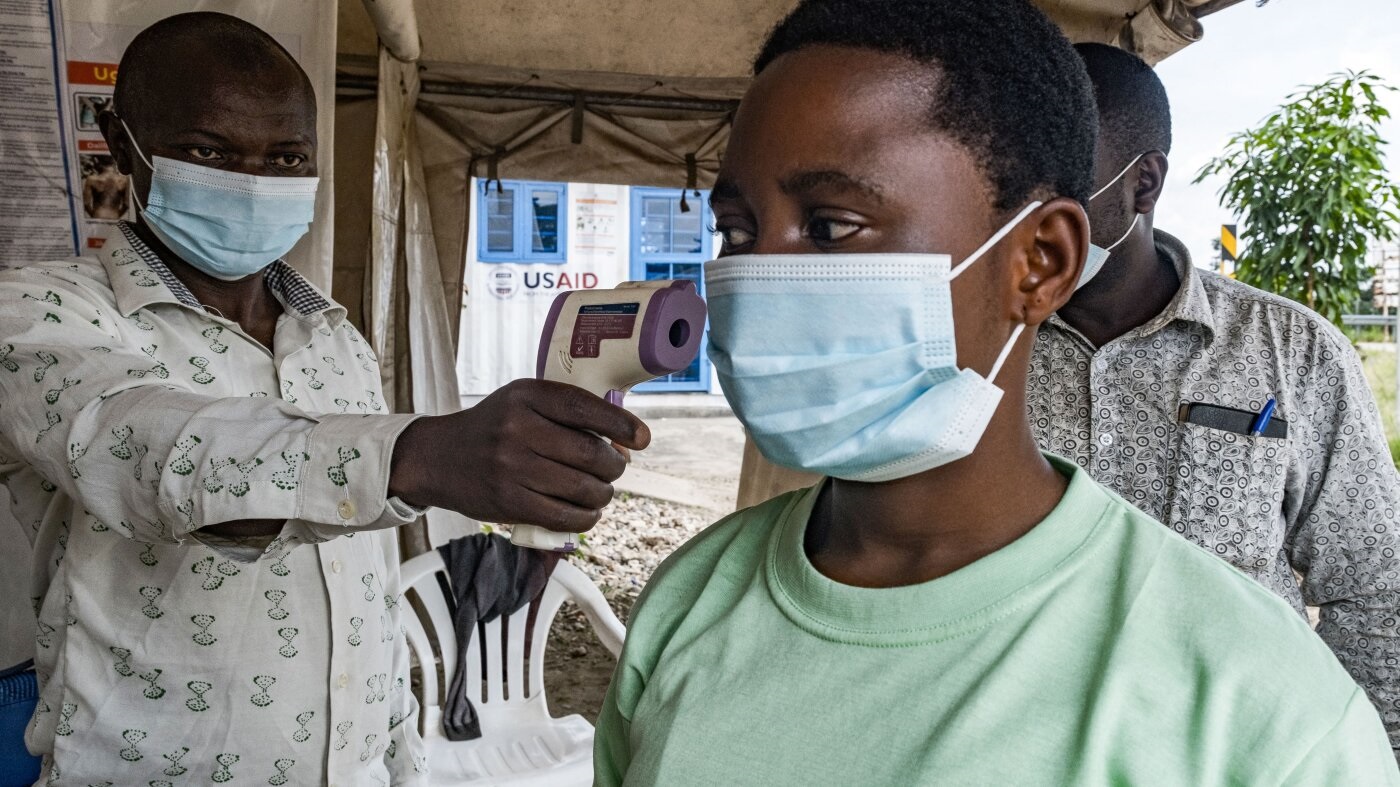
The World Health Organization (WHO) has declared the Ebola outbreak affecting the Democratic Republic of Congo (DRC) and Uganda a global public health emergency amid fears of rapid cross-border transmission.
Addressing delegates at the 79th World Health Assembly in Geneva, WHO Director-General Dr Tedros Adhanom Ghebreyesus confirmed that a Public Health Emergency of International Concern (PHEIC) had been declared on 18 May under the International Health Regulations.
Dr Tedros said the move was made following consultations with health authorities in both countries due to increasing concern over the speed and scale of the outbreak.
He noted that this was the first occasion on which a WHO Director-General had declared a PHEIC before convening an Emergency Committee, which is expected to meet to discuss temporary recommendations aimed at curbing the outbreak.
Health officials have so far confirmed 30 Ebola infections in Ituri province in the DRC, while Uganda has reported two confirmed cases in the capital, Kampala, including one fatality linked to travel from neighbouring Congo.
The WHO chief also confirmed that an American citizen infected with Ebola had been evacuated to Germany for treatment as authorities intensified efforts to trace individuals who may have been exposed to the virus.
More than 500 suspected Ebola cases and 130 suspected deaths have already been recorded, although Dr Tedros cautioned that the numbers were likely to increase as monitoring and testing operations expand.
He warned that confirmed infections in densely populated urban areas, together with cases involving medical personnel, suggested possible transmission within healthcare settings and raised concerns over broader community spread.
Dr Tedros also highlighted the deteriorating security situation in Ituri province, where intensified conflict and population displacement have complicated containment efforts.
According to him, over 100,000 people have recently been displaced, while the region’s mining activities and high population mobility continue to heighten the risk of further transmission.
The outbreak has been linked to the Bundibugyo strain of Ebola, for which there are currently no approved vaccines or specific treatments available.
Nevertheless, WHO said the outbreak could still be brought under control through enhanced public awareness campaigns, improved surveillance, strict isolation of patients and comprehensive contact tracing.
Ugandan authorities have already postponed the annual Martyrs’ Day celebrations, an event which usually attracts millions of pilgrims, in an effort to prevent large-scale transmission.
The WHO has deployed emergency personnel, medical supplies and equipment to the affected areas, while releasing an additional 3.4 million dollars in funding to strengthen the international response.