The Lagos State Commissioner for Health, Akin Abayomi, has called for increased public awareness and preventive measures against Lassa fever, describing the disease as a continuing public health threat in Nigeria.
Abayomi made the appeal in a post on his official Twitter account, where he noted that Lagos State had recorded only a limited number of cases due to swift medical intervention and effective containment efforts.
He said rapid isolation and treatment of infected patients had helped prevent community transmission within the state.
Despite this, the commissioner warned that sustained vigilance remained necessary, particularly among healthcare workers and local communities.
According to him, both conventional and traditional healthcare providers must remain alert while the public should better understand how the disease spreads and how infections can be avoided.
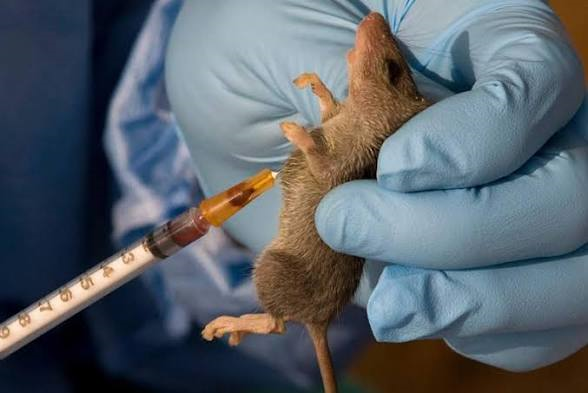
Lassa fever is a viral haemorrhagic illness transmitted mainly through contact with infected rodents and contaminated materials.
The disease remains endemic in several West African countries and causes recurring outbreaks in Nigeria each year, especially during the dry season.
Abayomi warned that certain forms of bushmeat could also carry the virus, thereby increasing the risk of transmission through hunting, handling and consumption.
He explained that infection could occur through exposure to rodent urine, faeces, saliva or contaminated household surfaces and food items.
The commissioner also warned that people could contract the disease by inhaling dust contaminated with infected rodent waste.
He noted that once the virus enters a community, it can spread between individuals through direct contact with bodily fluids of infected persons.
Abayomi advised residents to maintain proper hygiene, improve environmental sanitation and store food safely in rodent-proof containers.
He further cautioned against the purchase or consumption of live or freshly killed bushmeat from unidentified sources.
According to figures released by the Nigeria Centre for Disease Control and Prevention (NCDC), Lassa fever-related deaths increased to 191 between April 27 and May 3.
The agency said 23 states and 106 local government areas had recorded confirmed cases this year, with the majority of infections reported in Bauchi, Ondo, Taraba, Benue and Edo states.