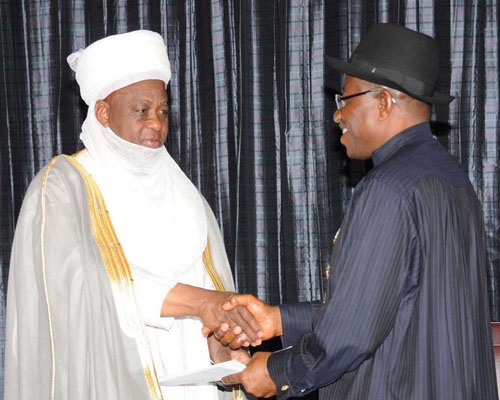
Former President Goodluck Jonathan, the Sultan of Sokoto, Sa’ad Abubakar, and other distinguished Nigerians have emphasised the need for national reconciliation and the preservation of historical records through autobiographical writings.
They made the remarks on Tuesday in Abuja during the unveiling of former Head of State Gen. Yakubu Gowon’s autobiography, “My Life of Duty and Allegiance.”
The gathering brought together senior political figures, traditional rulers, diplomats and elder statesmen, who celebrated Gowon’s legacy of unity, humility and post-war reconciliation.
Chairing the occasion, Jonathan described the autobiography as an important historical contribution from a leader who guided Nigeria during a critical period following independence.
He praised Gowon’s “No Victor, No Vanquished” declaration after the civil war, saying it helped promote healing, reintegration and national unity.
According to Jonathan, memoirs written by former leaders are essential for preserving institutional memory and helping younger generations understand the challenges of leadership.
“Memoirs such as this help preserve institutional memory, deepen public understanding, and enrich the national conversation on governance and leadership,” he said.
The former president also expressed regret that many influential figures in Nigeria’s history failed to document their experiences, resulting in the loss of valuable historical perspectives.
Jonathan disclosed that he hoped to publish his own reflections at a later date.
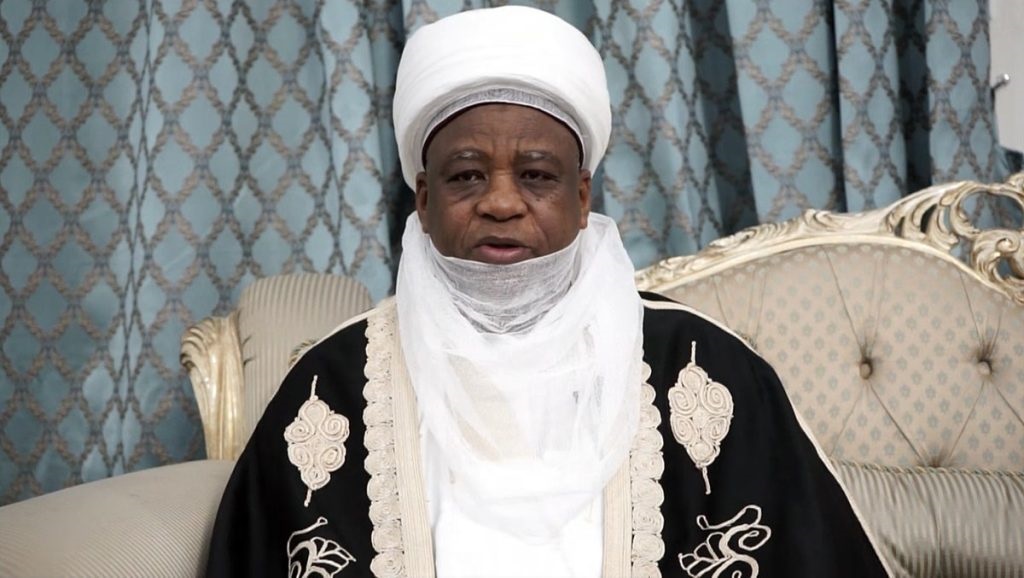
The Sultan of Sokoto, in his remarks, stressed that leaders should tell their stories themselves while still alive to prevent false narratives after their death.
“It is not after someone’s death that people write lies and lies about the person when he is not alive to defend himself,” the monarch said.
He commended Gowon for his humility, spirituality and efforts towards strengthening peaceful relations between Christians and Muslims in Nigeria.
Similarly, the Emir of Kano, Muhammadu Sanusi II, reflected on Gowon’s personal kindness and humanity, recounting how the former Head of State regularly wrote caring letters to the son of a deceased friend.
Sanusi said the gesture demonstrated Gowon’s compassion and leadership character beyond public office.
Reviewing the book, Bishop Matthew Kukah of the Catholic Diocese of Sokoto described the memoir as a powerful example of leadership guided by conscience and public responsibility.
Kukah noted that autobiographies often reflect personal perspectives and encouraged others with differing views to document their own accounts of history.
The publisher of the book, Akogun Adesuyi, warned that failure to document personal experiences could allow others to reshape history for selfish interests.
The event was attended by prominent dignitaries, including Secretary to the Government of the Federation George Akume, former heads of state, governors, ministers and members of the diplomatic community.