The United Nations Population Fund (UNFPA), in collaboration with the Bauchi State Government, has launched a digital application to promote safer deliveries by improving maternal and newborn healthcare.
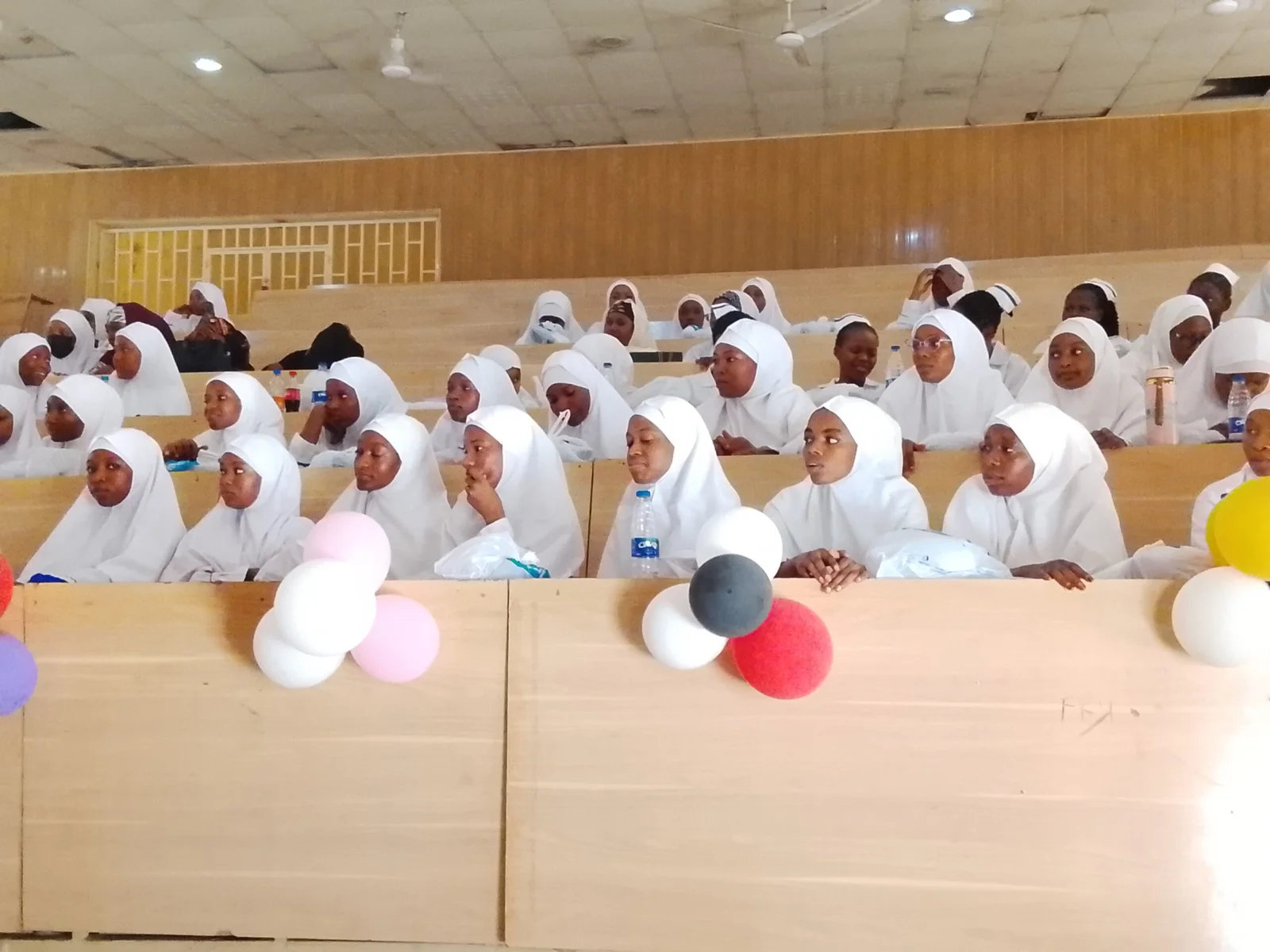
This was unveiled during a capacity-building session held in Bauchi on Sunday as part of the 2026 International Day of the Midwife celebration.
Speaking at the event, Ms Deborah Tabara, UNFPA Gender and Reproductive Health Analyst, said the app was designed to build healthcare workers’ capacity and strengthen safe childbirth practices.
She said the project was initially developed for Gombe and Ogun states but was later extended to Bauchi for use by midwives, adding that the app was developed by Maternity Foundation in partnership with UNFPA.
Tabara said the app contains 17 modules covering infection prevention, manual removal of the placenta, blood pressure monitoring, prolonged labour management, low birth weight, neonatal care, labour and birth management, postnatal care, safe abortion, and modern contraception.
She added that the app works offline, making it accessible to health workers in remote and underserved communities.
“Share it with your colleagues, even those in other local government areas. This mobile app is to build your capacity as health workers to promote safer deliveries.
“Use it to gain more information and improve data quality on your work,” she said.
According to her, the ‘10 Million Safer Births Initiative’ is a 2025 partnership between UNFPA and Maternity Foundation targeting 10 million safer births.
She described the Safer Delivery App as a free, evidence-based tool that gives midwives and health workers instant access to clinical guidelines for managing pregnancy and childbirth complications.
“It functions offline and is used globally to improve maternal and newborn health,” she said.
In her remarks, the UNFPA Executive Director, Ms Diene Keita called for training, deploying, and retaining one million additional midwives globally by 2035 to save more than 4 million lives annually.
“Women who give birth with skilled midwives have better chances of safe delivery and improved survival outcomes for their babies.
“In fragile and crisis-affected settings, midwives are often the first and only providers of maternal healthcare,” she said.
Keita noted that half of the global shortage of midwives “is in Africa”, where maternal mortality rates remain among the highest.
She said investing in midwifery education, leadership, protection, and welfare would transform health systems and yield significant social and economic benefits.
“Through the Midwifery Accelerator Coalition, UNFPA is supporting countries to develop investment plans tailored to local healthcare needs,” she said.
On her part, Dr Sani Mohammed, Commissioner for Health and Social Welfare, said Bauchi State had intensified efforts to increase girls’ enrolment in science schools to strengthen the health workforce.
While describing midwives as essential to safe deliveries, Mohammed however, said more recruitment was needed to serve the state’s growing population.