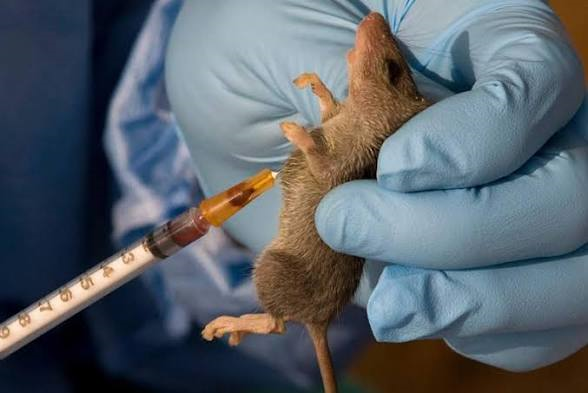
Lassa fever remains one of the most significant zoonosis managed at the University College Hospital (UCH), Ibadan, while rabies exposure from dog bites is the commonest at clinics, says a Community Physician, Dr Eno Onen.
Onen, from Department of Community Medicine, UCH Ibadan, made the assertion in an interview with the News Agency of Nigeria (NAN), in commemoration of World Zoonoses Day on Monday.
Zoonotic diseases or zoonoses, are infectious diseases that can spread between animals (vertebrates) and humans.
Vertebrates are animals with a backbone, like cows, sheep, rats, dogs, cats, bats and birds.
Onen said Lassa fever was one of the most significant zoonotic diseases managed at UCH, given its severity, epidemic potential and its role as a major referral condition.
He noted that Nigeria was within West Africa’s Lassa fever belt.
According to him, confirmed cases required strict isolation and specialised treatment because of the risk of spread to other people, severe illness and death.
Patients presented at UCH mainly because it served as a referral centre, Onen also explained.
He said cases suspected at primary and secondary facilities across Oyo State and beyond were sent to UCH for confirmatory testing.
He cited a confirmed case managed at UCH as recently as April 2026.
“That case required higher-level care that smaller facilities could not provide”.
Onen said in day-to-day practice, the zoonosis seen most often was rabies exposure following dog bites.
He noted that dogs remained the main source of rabies transmission to humans in Nigeria.
“Patients regularly come in after a dog bite exposure seeking post-exposure prophylaxis (PEP).
“This is highly effective when administered promptly, only a small number go on to develop rabies; typically those who do not seek care, received incomplete treatment or presented too late for post-exposure treatment after a bite.
“Once clinical symptoms of rabies develop, rabies is almost universally fatal with recovery being exceedingly rare,” he said.
On early symptoms, Onen said Lassa fever’s early signs were often mild and easily mistaken for malaria, noting it was why many people tended to overlook them.
The Nigeria Centers for Disease Control notes early Lassa fever presents much like other febrile illnesses such as malaria, he said.
He added that a high index of suspicion is needed.
He urged the public to be alert to fever that fails to respond to standard malaria treatment.
“Other early signs include general body weakness, fatigue, nausea, vomiting, and muscle or joint pain; as illness progresses, more serious danger signs may appear.
“These include bleeding from eyes, nose, mouth, ears, vagina, or anus, facial swelling, difficulty breathing, confusion, or seizures,” he said.
The community physician noted that such signs reflected severe disease and should be treated as medical emergencies requiring immediate hospital attention.
“My advice is this: if you experience fever lasting more than 48 hours that does not respond to malaria treatment, don’t manage it at home.
“This is critical if there has been contact with a suspected Lassa patient or exposure to rodents,” he added.
Onen stressed that early diagnosis and treatment significantly improved chances of survival, so prompt evaluation matters.
He further urged citizens to always report to the nearest health facility promptly for proper evaluation and care.
On transmission, he said people became infected with Lassa virus primarily through contact with the multimammate rat.
The rat served as the natural reservoir for the virus, he explained.
According to him also, transmission occurs through eating food or drinking water contaminated by an infected rodent urine, droppings, or saliva.
“Direct contact with infected rodents also spreads; touching household items and surfaces contaminated by rodent excreta is another route.
“Infection can also result from inhaling airborne particles containing the virus during sweeping or cleaning contaminated areas.
“Together, these rodent-to-human routes account for an estimated 90 to 95 per cent of human Lassa infections.
“The remainder occurs through person-to-person spread, Person-to-person transmission occurs through contact with blood, urine, saliva, or other bodily fluids of an infected person.
“It poses a particular risk in healthcare settings where infection prevention practices are inadequate,” Onen warned.
For household prevention, the community physician said families should store food in tightly covered, rodent-proof containers.
Homes and surroundings should be kept clean, with refuse disposed of properly and regularly, he said.
“Cracks or gaps in walls, floors, and doors should be sealed, as these are common rodent entry points.
“Regular handwashing is a basic but important hygiene practice for reducing disease transmission generally,” Onen said.
He further advised members of the public to avoid contact with, hunting, or eating rodents, as they may carry the virus.
He urged anyone experiencing symptoms suggestive of Lassa fever to seek medical care early.
“Prompt treatment improves the chances of survival.
“Contact with blood or body fluids of individuals who are sick or suspected of having Lassa fever should be avoided, Person-to-person transmission occurs through such contact.
“Anyone with suspected Lassa fever in Oyo State should report immediately to the nearest health facility for assessment.
“Health workers will isolate the patient if necessary, collect samples for laboratory confirmation.
“They will arrange referral to a designated treatment centre, such as the isolation unit at UCH, Ibadan, or the State Infectious Disease Centre, Olodo”, Onen added.