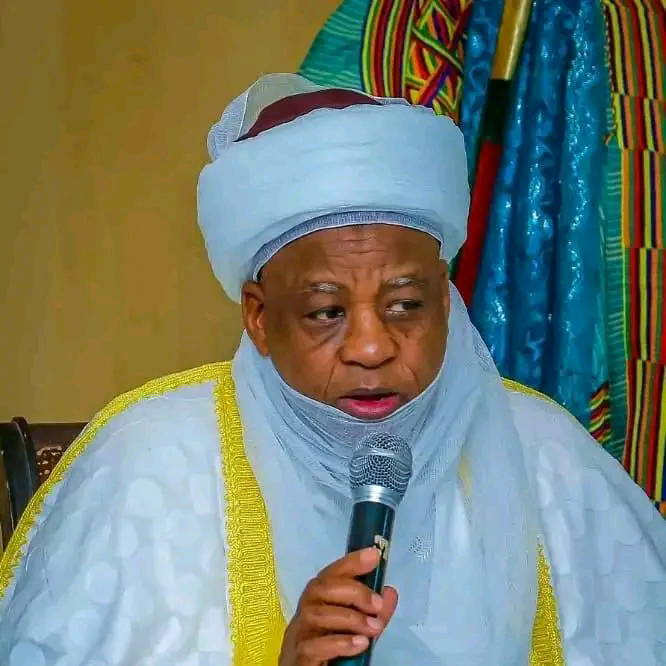
The Nigerian Supreme Council for Islamic Affairs has condemned the worsening insecurity across the country and cautioned against linking criminal activities to Islam and Nigerian Muslims.
The council said religious and ethnic profiling of criminals was dangerous and capable of deepening divisions at a time Nigerians should unite against common security threats.
In a Democracy Day message issued on Thursday by its Public Affairs Officer, Abbas Jimoh, the NSCIA, led by the Sultan of Sokoto and President-General of the council, Alhaji Muhammad Sa’ad Abubakar, congratulated Nigerians on the country’s 27 years of uninterrupted democratic rule.
The council noted that June 12 remained a symbol of the sacrifices made by pro-democracy heroes and a reminder that justice, accountability, inclusion and respect for human dignity were the pillars upon which democracy thrives.
While acknowledging progress in Nigeria’s democratic journey, the Islamic body expressed concern over persistent cases of banditry, kidnapping, terrorism and other violent crimes ravaging parts of the country.
It said the activities of criminal elements had continued to claim innocent lives, destroy livelihoods, displace communities and hamper national development.
“The Council unequivocally condemns all acts of violence and criminality and, for the umpteenth time, admonishes those involved to abandon and repudiate their destructive activities,” the statement read.
It added that insecurity affected all Nigerians and required collective action to overcome.
The NSCIA stressed that Islam neither permits nor condones the killing of innocent people, kidnapping, terrorism, banditry or any form of criminal conduct.
The council expressed dismay over what it described as deliberate attempts in certain quarters to portray Nigerian Muslims as perpetrators of violent crimes.
It said such narratives were false, misleading and unfair to millions of law-abiding Muslims contributing positively to national development.
The Islamic body specifically referenced the recent kidnapping incident involving students and teachers in Orire Local Government Area of Oyo State, saying initial attempts to attach religious and ethnic identities to the crime had been disproved by subsequent findings.
According to the council, those arrested in connection with the incident were not identified as Fulani, contrary to earlier reports circulated in some sections of the media and public discourse.
It maintained that criminals should be identified by their offences and prosecuted in accordance with the law rather than being shielded or condemned on the basis of ethnicity or religion.
The NSCIA also lamented that many Muslims had become victims of terrorism, discrimination and persecution, yet were unfairly portrayed as perpetrators of the same crimes.
The council urged media organisations, opinion leaders and other stakeholders to uphold professionalism, fairness and accuracy in their public interventions.
It warned against narratives capable of inflaming tensions and widening mistrust among Nigeria’s diverse communities.
“Criminality should neither be given ethnic nor religious coloration, as such narratives deepen divisions and undermine collective efforts to address insecurity and achieve lasting peace,” it stated.
The council commended the Federal Government, security agencies and community leaders for their efforts in combating insecurity and called for stronger collaboration to restore peace and stability nationwide.
It also prayed for divine protection and strength for security personnel in the discharge of their duties.
The NSCIA urged Nigerians to preserve the ideals of democracy and ensure that the sacrifices of those who fought for constitutional rule were not in vain.
It wished all Nigerians a peaceful and memorable Democracy Day celebration.