The Federal Government, in collaboration with the World Health Organization (WHO), has commenced training of health workers to accelerate the uptake of Pre-Exposure Prophylaxis (PrEP), including Lenacapavir, for HIV prevention.
Organised by the National AIDS, Viral Hepatitis and STI Control Programme (NASCP) and WHO, the three-day National Training of Trainers began on Tuesday in Abuja, with participants drawn from 18 northern states.
Speaking at the event, Dr Mya Ngon, Cluster Lead for Disease Prevention and Control at WHO Nigeria, said the training was critical to strengthening Nigeria’s HIV prevention workforce.
She said the initiative aligned with WHO’s mandate to support member states in achieving universal health coverage and strengthening health systems.
“This training is taking place at a pivotal moment in Nigeria’s HIV response as the country scales up oral PrEP, long-acting cabotegravir and introduces newer innovations such as Lenacapavir,” Ngon said.
She said that building a skilled and competent workforce was essential for delivering effective HIV prevention services nationwide.
“Training a new cadre of national and state-level trainers who will cascade quality PrEP services across Nigeria is a vital investment,” she said.
Ngon said WHO was providing technical and financial support to ensure adherence to global and national guidelines in delivering high-quality PrEP services.
She added that participants drawn from multiple disciplines would strengthen collaboration in delivering client-centred HIV prevention services.
“PrEP delivery is a collaborative effort requiring medical doctors, nurses, pharmacists, programme teams and communities working together,” she said.
Ngon said the trainees would be equipped to mentor healthcare providers and expand access to evidence-based prevention services nationwide.
The Lead for PrEP at NASCP, Mr Taiwo Olakunle, said the training was designed to expand the pool of master trainers across the country.
“We observed that the number of master trainers was not enough, so we extended the pool to include more participants,” he said.
Olakunle said Nigeria had an estimated 1.9 million people living with HIV as of 2024, with prevalence at 1.3 per cent among persons aged 15 to 49.
He said new infections declined from 110,000 in 2015 to 48,000 in 2024, though unprotected heterosexual intercourse remained the major mode of transmission.
He added that key populations bore a disproportionate burden, making them a priority for PrEP interventions.
Olakunle described PrEP as the use of antiretroviral medicines by HIV-negative individuals to prevent infection before exposure.
“PrEP is different from post-exposure prophylaxis and antiretroviral therapy and should be combined with other prevention strategies,” he said.
He emphasised that combination prevention, integrating biomedical, behavioural and structural approaches, remained the most effective strategy for reducing HIV transmission.
Mr Umar Ibrahim, Programme Officer at the National Agency for the Control of AIDS (NACA), said scaling up PrEP remained a priority under Nigeria’s national HIV prevention strategy.
“PrEP is one of the priority interventions we aim to scale up, and this training is key to achieving that goal,” he said.
A facilitator, Ms Adaobi Olisa of Root to Rise, said the training was aimed at building national capacity, improving service quality and supporting the introduction of new prevention options..
“There are many innovations in PrEP and also misinformation, so building the capacity of trainers is critical to delivering accurate information and quality services,” she said.
She added that trained participants would return to their states to cascade knowledge and improve access to prevention services.
Sokoto State AIDS Programme Coordinator, Mr Wadata Hali, said the training would enhance Nigeria’s progress toward epidemic control.
“This training comes at the right time as we now have more PrEP options, and it will help us move closer to achieving epidemic control by 2030,” he said.
Similarly, Dr Mohamed Hamman, Adamawa State AIDS, STI and Viral Hepatitis Control Programme Manager, said the training would strengthen HIV prevention systems at the state level.
“We will cascade the knowledge gained to other healthcare workers and enhance PrEP uptake in Adamawa State,” he said.
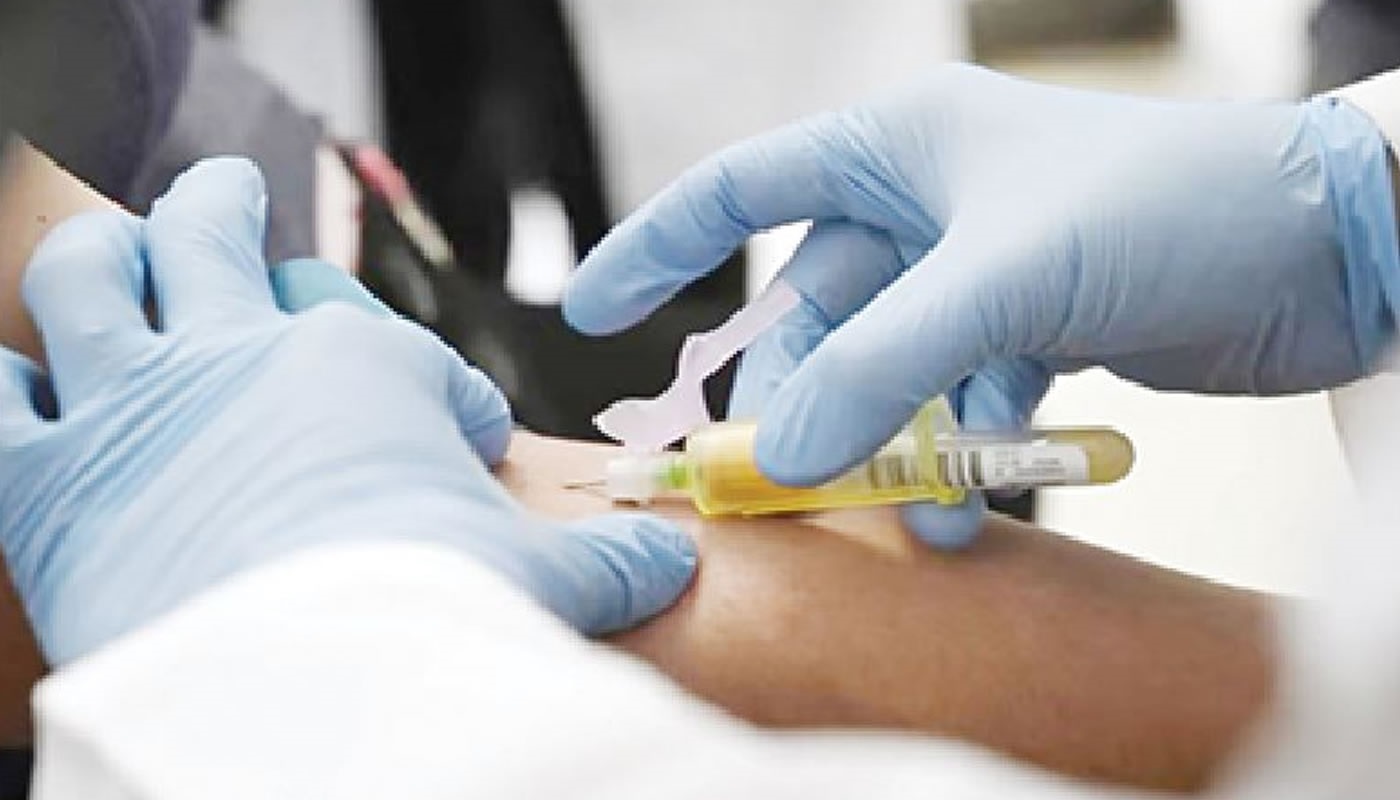
The News Agency of Nigeria (NAN) reports that Lenacapavir is a long-acting injectable antiretroviral administered twice yearly for HIV prevention among high-risk HIV-negative individuals.
Stakeholders said the training would accelerate nationwide uptake of PrEP and strengthen Nigeria’s efforts to end HIV as a public health threat by 2030.