

Minister of the Federal Capital Territory (FCT), Nyesom Wike, has announced that President Bola Ahmed Tinubu has approved the allocation of land plots to Ambassadors and High Commissioners-Designate in Abuja, describing the move as a strategy to deepen diplomatic engagement and foster stronger ties with Nigeria.
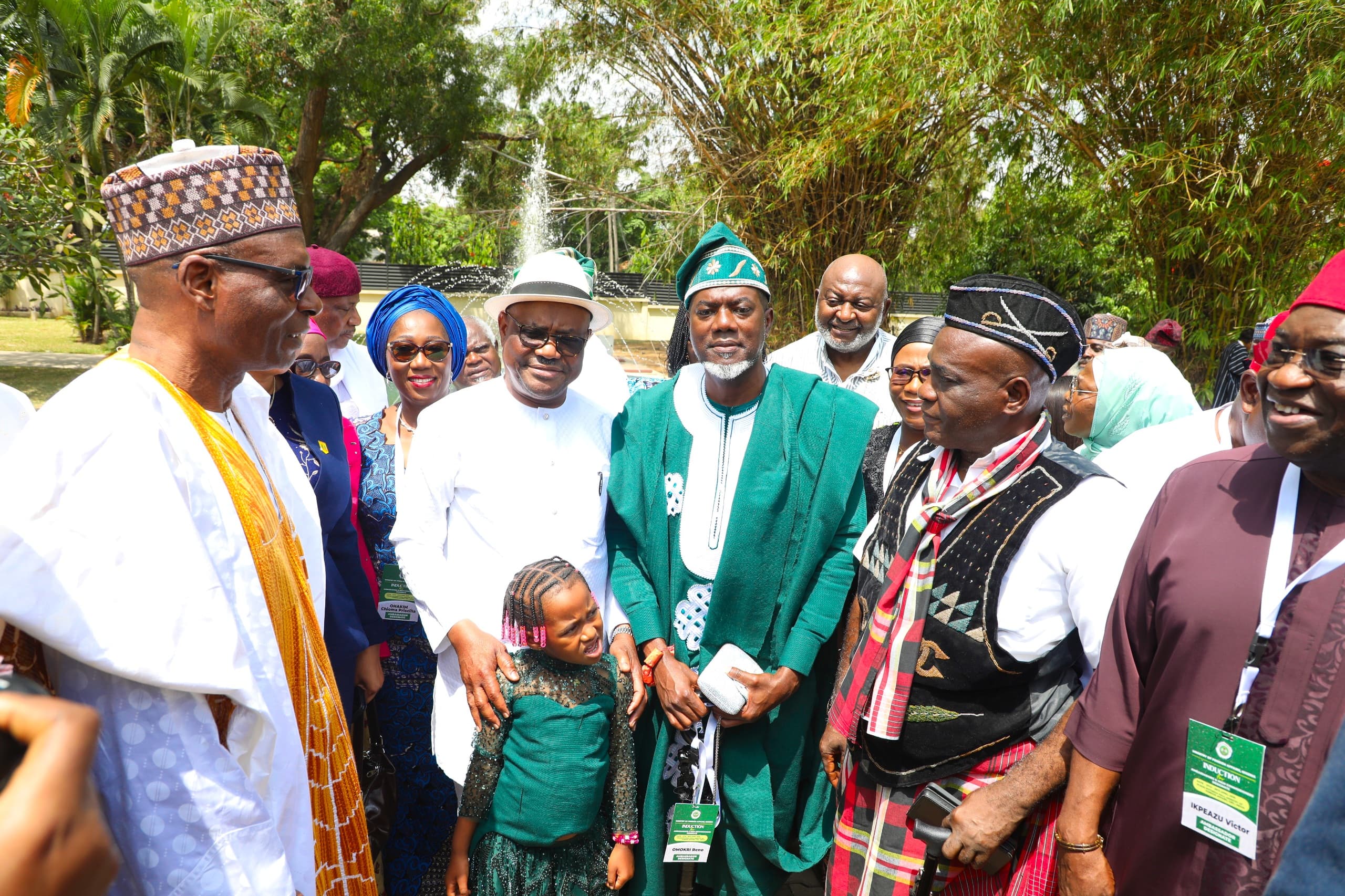
Wike made this known on Wednesday during a courtesy visit by the envoys, led by the permanent secretary of the Ministry of Foreign Affairs, Dunoma Umar Ahmed, at the minister’s official residence in Life Camp, Abuja.
Addressing the diplomats, Wike explained that the President’s decision was driven by a desire to ensure Nigeria’s representatives have a permanent stake and a residence in the capital when they return for periodic briefings.
“The President believes that most of you do not have a place in Abuja, he will encourage you to see how you will put up where you can stay. Before you leave this morning, each and every one of you should have your form to apply for a land allocation in Abuja,” Wike stated.
The minister emphasised that the gesture would deepen diplomatic presence in Nigeria’s capital while fostering stronger engagement between foreign missions and the FCT Administration.
“You are, in essence, the mirror of this country. The way the world sees you is the way it will see Nigeria,” Wike told the envoys, urging them to uphold the nation’s image in their respective postings.
He charged the ambassadors-designate to effectively communicate President Tinubu’s vision and priorities, particularly in attracting foreign investment and strengthening international partnerships.
“Mr. President has travelled extensively to attract investment and partnerships. It is now your role to reinforce that effort by building confidence in Nigeria as a viable destination for investment,” he said.
Wike also dismissed concerns about Nigeria drifting toward a one-party state, insisting the country remains firmly rooted in democratic principles.
“Nigeria remains a multi-party democracy. There is no plan to turn the country into a one-party state. You must communicate this clearly wherever you serve,” he stated.
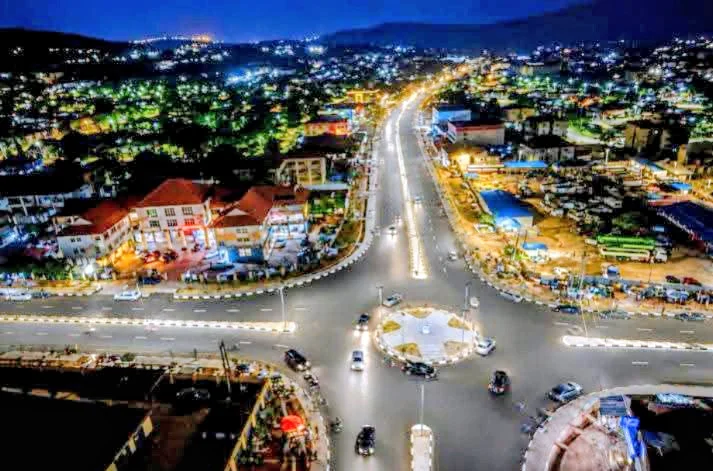
Highlighting development strides in the FCT, Wike noted that infrastructure expansion and improved road networks across the six area councils, Abaji, AMAC, Bwari, Gwagwalada, Kuje, and Kwali, were positioning Abuja as a competitive global capital.
He called on the envoys to attract investors, particularly in agriculture and waste management, noting that vast arable land in areas such as Gwagwalada and Kwali remains underutilised.
“There is enormous potential in agriculture within the FCT, but investment is still limited. We need your support to unlock these opportunities,” he added.
Wike further revealed ongoing efforts to partner with countries including Saudi Arabia and Egypt to boost key sectors, while also announcing plans for engagement with the European Commission to enhance development cooperation.
“I remain confident that by 2027, Nigeria will be more peaceful, more united, and stronger as a nation,” he said.
Earlier, the permanent secretary of the Ministry of Foreign Affairs, Ambassador Ahmed, said the visit was part of the ambassadors’ induction programme, designed to expose them to the strategic importance of the FCT in Nigeria’s foreign relations.
“Our Ambassadors and High Commissioners have been entrusted with representing Nigeria at a pivotal moment in our nation’s development,” Ahmed said.
Ahmed added that they were expected to promote economic diplomacy, attract investment, and project Nigeria positively on the global stage.
He commended the ongoing transformation of the FCT under Wike’s leadership, particularly in infrastructure, urban management, and service delivery, noting that such progress strengthens Nigeria’s international image.
Ahmed called for stronger collaboration between Nigeria’s foreign missions and the FCT Administration to advance investment promotion, cultural exchange, and urban development initiatives.