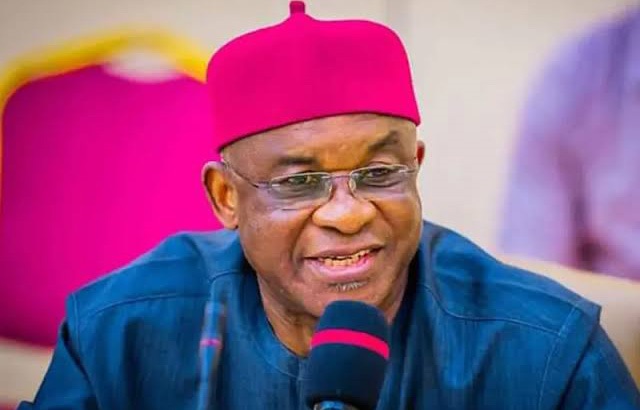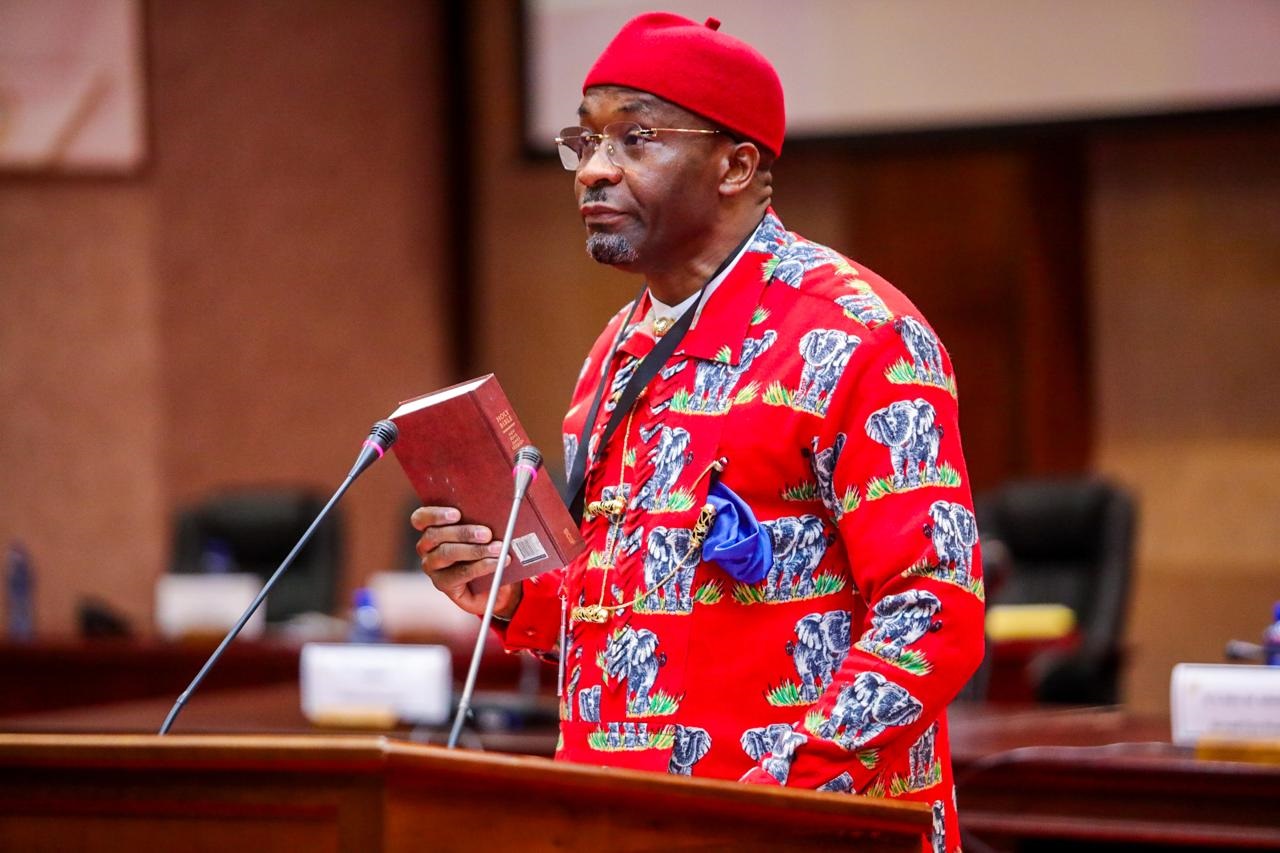
Former Executive Director of the Justice and Rights Initiative (JRI) and All Progressives Congress (APC) House of Assembly aspirant, Mr Justin Gbagir, has said that Benue State’s long-standing development challenges cannot be resolved within a single four-year tenure.
Gbagir made the assertion on Monday in Makurdi while addressing journalists and announcing his resignation from his position at JRI.
The lawyer said expectations of rapid transformation ignored the depth of the state’s structural problems, adding that meaningful change required sustained effort, continuity in governance and strong public support for reform-oriented leadership.
He cited the administration of Governor Hyacinth Alia as an example of a reform programme that had been widely misinterpreted and subjected to undue resistance.
According to Gbagir, internal party disputes and political rivalries have created distractions that continue to undermine effective governance in the state.
He said the progress recorded over the last two and a half years, particularly in addressing salary arrears and reviving infrastructure development, showed that Benue had begun a recovery process.
Gbagir noted that from 1999 to 2023, the state remained largely underdeveloped despite receiving substantial allocations from the Federation Account and generating internal revenue.
He said Governor Alia inherited a state burdened by unpaid salaries, irregular wage payments, and outstanding pensions and gratuities owed to retired civil servants.
“Makurdi, the state capital, had deteriorated to the point where it resembled a glorified local community headquarters,” he said.
Gbagir argued that the development initiatives undertaken by the current administration demonstrated clear progress and deserved continuity to achieve lasting impact.
The APC aspirant, who is seeking election to the Benue State House of Assembly for Buruku State Constituency, said his motivation was to strengthen legislative support for policies that improve citizens’ welfare.
He described the legislature as the engine room of democracy, responsible for accountability, lawmaking and constructive debate, stressing that weak legislative engagement often frustrates executive reforms.
Gbagir maintained that governance works best when the executive and legislature collaborate, noting that such cooperation reduces gridlock, enhances stability and builds public trust.
He also announced that he had officially registered as an APC member in Mbaade Ward, Buruku Local Government Area, and called on his constituents to support his ambition.