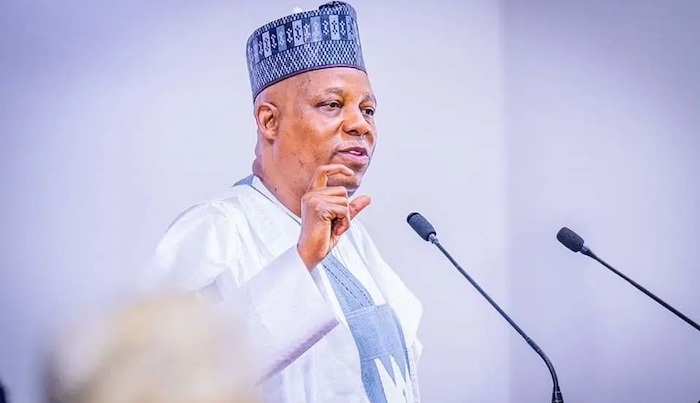
Vice President Kashim Shettima has pledged continued Federal Government support for Nigerian farmers, stressing that the nation’s growth and stability depend on a thriving agricultural sector.
The Vice President made the pledge at the conclusion of the three-day General Assembly of Farmers (GAF) meeting organised by the All Farmers Association of Nigeria (AFAN) in Abuja.
Representing Shettima, the Senior Special Assistant to the President on Public Health, Dr Uju Rochas-Anwukah, said the Nutrition 774 Initiative recognised farmers as key players in Nigeria’s fight against malnutrition.
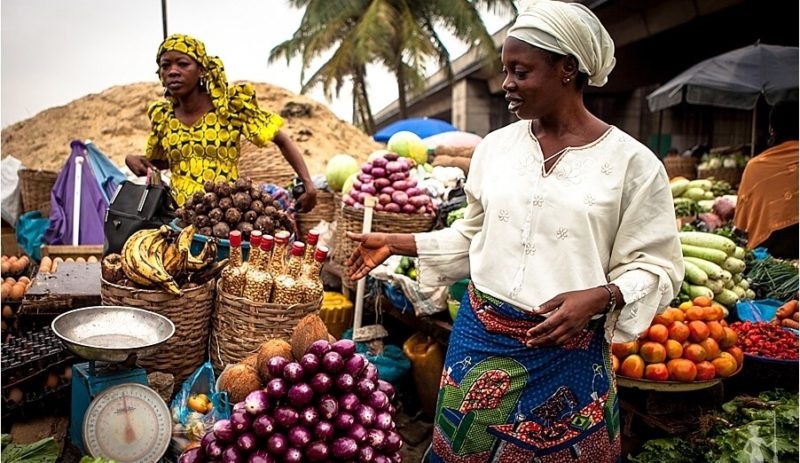
She described agriculture as a strategic instrument for economic growth, national security and social cohesion, adding that the Renewed Hope Agenda places agriculture at the heart of Nigeria’s national recovery efforts.
Rochas-Anwukah said Nigeria could not address malnutrition without fixing its food systems, and food systems could not be sustained without empowering farmers. She emphasised that nutrition begins on the farm, not in healthcare facilities.
She added that the Nutrition 774 Initiative links agriculture with health, education and livelihoods, and reaffirmed the readiness of the Office of the Vice President to collaborate with AFAN to promote food security and national development.
The Minister of Defence, retired General Christopher Musa, also spoke at the event, acknowledging the growing security threats facing farmers across the country. He assured participants that the government was committed to improving security in farming communities and urged farmers to report threats to enable swift intervention.
In his remarks, AFAN President, Dr Farouk Mudi, raised concerns over climate change, insecurity and rising production costs, warning that these challenges were undermining agricultural productivity nationwide.
Mudi said delayed rainfall, flooding and the rising cost of fertiliser and agrochemicals were making farming increasingly unaffordable. He disclosed that erratic weather patterns had destroyed over 500,000 hectares of rice and maize farms.
He further described Nigeria’s livestock sector as being in deep crisis, despite its large livestock population, citing insecurity and persistent conflicts. According to him, AFAN lost more than 10,000 members and N500 billion worth of assets to farmer-herder clashes over the past decade, while cattle rustling and unplanned migration resulted in the loss of over three million cattle.
Mudi expressed strong support for the National Livestock Transformation Plan, saying it would promote ranching, reduce conflict and allow farmers to cultivate their land safely. He also criticised Nigeria’s heavy spending on food imports, noting that such funds should be invested in strengthening local agriculture and encouraging youth participation in the sector.