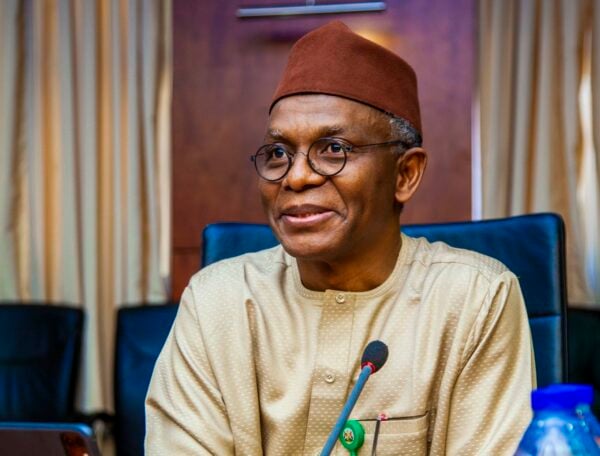
In a striking accusation, the presidency has called out former Kaduna State governor, Nasir El-Rufai, for allegedly portraying himself as a victim of political persecution. This move, they assert, is a calculated strategy to evade scrutiny over serious corruption allegations stemming from his tenure in office.
Bayo Onanuga, Special Adviser to the President on Information and Strategy, articulated these claims in a statement shared on his X handle on Monday. He characterised El-Rufai’s recent public statements as intentional misdirection aimed at achieving two specific objectives.
Creating Political Tension and Misinformation
Onanuga accused El-Rufai of attempting to instigate political unrest across the nation. He stated, “One, to create political tension in the country, generate an atmosphere of fear and unrest, and subsequently damage the government through deliberate misinformation.” This assertion suggests a broader agenda, wherein El-Rufai’s actions are seen as a tactic to undermine public confidence in the current administration.
Moreover, the presidential aide posited that the former governor’s actions serve a dual purpose: to distract from his own mounting troubles in Kaduna State, where he now faces significant corruption allegations. “To draw attention to himself and project himself as a victim of persecution, he seeks to nationalise his personal problems with his home state government,” Onanuga elaborated. This strategy, he argues, is a desperate attempt to shift public focus away from the serious nature of the allegations against him.
The Corruption Probe: A Looming Shadow
El-Rufai’s predicament is exacerbated by the staggering N432 billion corruption investigation that currently looms over him. This inquiry follows a unanimous petition from all 28 members of the Kaduna State House of Assembly, which has been forwarded to both the Independent Corrupt Practices and Other Related Offences Commission and the Economic and Financial Crimes Commission. The gravity of these allegations cannot be overstated, as they represent a significant breach of public trust and governance.
This inquiry not only threatens El-Rufai’s political aspirations but also raises serious questions regarding his leadership during his eight years as governor. His tenure has been marred by accusations of mismanagement, and the current allegations have reignited public scrutiny of his administration’s practices.
**Echoes of Political Gamesmanship**
Onanuga’s remarks resonate with sentiments previously expressed by Temitope Ajayi, the Senior Special Assistant to the President on Media, who indicated that El-Rufai is engaging in political gamesmanship akin to “a drowning man holding on to a straw” in his quest for survival. This metaphor underscores the precarious situation El-Rufai finds himself in, as he grapples with the implications of the corruption probe while attempting to maintain a semblance of political relevance.
Public Response and Political Implications
The public reaction to El-Rufai’s claims of victimhood has been one of skepticism. Many Nigerians are unlikely to sympathize with a figure embroiled in corruption allegations, particularly in a political climate that increasingly demands accountability and transparency. The presidency’s assertion that El-Rufai is trying to “nationalise” his personal problems suggests a recognition of the public’s dwindling patience for political leaders who fail to uphold ethical standards.
As the narrative unfolds, the dynamics between El-Rufai and the current administration are likely to intensify. The presidency’s response could be seen as a strategic move to reinforce its position against accusations of ineffectiveness while simultaneously holding a former governor accountable for his alleged misdeeds.
Conclusion: A Tale of Accountability and Governance
Ultimately, the unfolding situation surrounding El-Rufai serves as a poignant reminder of the delicate balance between political ambition and accountability. The presidency’s accusations highlight the challenges faced by leaders in a democratic society where public trust is paramount. As the corruption probe progresses, it remains to be seen how El-Rufai will navigate these turbulent waters and whether he will succeed in his attempts to divert attention from the pressing issues at hand.
In a political landscape rife with accusations and counter-accusations, the story of Nasir El-Rufai is far from over. It is a vivid illustration of the complexities of governance in Nigeria, where the spectre of corruption looms large, and the call for accountability grows ever louder. As the nation watches closely, the unfolding drama will undoubtedly shape the future of political discourse in the country.
Presidency Accuses El-Rufai of “Playing Victim” Amid Corruption Allegations