The Nigeria Centre for Disease Control and Prevention (NCDC) has said Nigeria is currently responding to multiple infectious disease outbreaks across all six geopolitical zones.
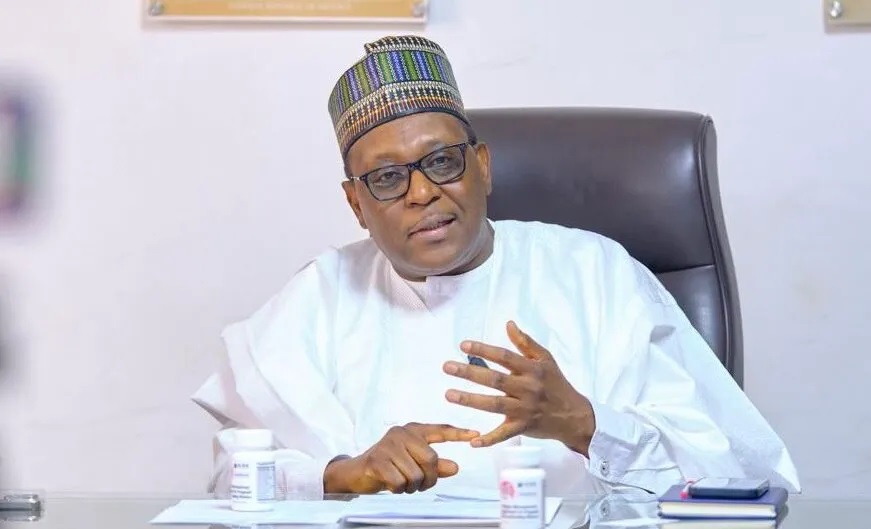
The outbreaks, which include diphtheria, cholera, Lassa fever, and measles, were disclosed by Dr. Jide Idris, Director-General of NCDC, on Tuesday during a three-day Stakeholder Workshop on Preparedness and Response to Public Health Emergencies, organised by the agency in collaboration with UNICEF and the World Health Organization (WHO).
Dr. Idris noted that these outbreaks are compounded by climate-related and humanitarian emergencies, as well as structural challenges such as population mobility, rapid urbanisation, pressure on health systems, and inequities in access to essential services.
“Preparedness is not defined by the absence of outbreaks, but by the capacity to anticipate risk, detect threats early, coordinate effectively across sectors and levels of government, and respond in a timely, equitable, and evidence-driven manner,” he said.
He highlighted the centre’s role as Nigeria’s national public health institute, established by law in 2018, to provide technical leadership for the prevention, detection, and response to public health threats. The NCDC works closely with the Federal Ministry of Health, state governments, sister agencies, and development partners to strengthen the country’s health security.
Dr. Idris noted that Nigeria has made deliberate investments to enhance emergency preparedness, including the implementation of the International Health Regulations (2005) Monitoring and Evaluation Framework, the National Action Plan for Health Security 2.0, operationalisation of the Integrated Disease Surveillance and Response (IDSR) 3rd Edition, and the 7-1-7 outbreak detection and response approach.
However, he acknowledged persistent challenges in coordination, data integration, logistics, workforce readiness, sustainable financing, and alignment of partner support with nationally defined priorities.
The three-day workshop is designed to examine Nigeria’s preparedness and response systems, identify bottlenecks, and strengthen coherence across frameworks, institutions, and investments. Dr. Idris urged participants to engage with technical depth, stressing that the success of the meeting would be measured by its ability to produce an actionable, nationally owned roadmap to strengthen early detection, improve response coordination, and enhance resilience at both national and sub-national levels.
He commended development partners for their collaboration and the government for its leadership in advancing health security.