The Federal government says it taking decisive steps to reduce reliance on external health funding and strengthen domestic investment in healthcare, while fostering respectful international partnerships.
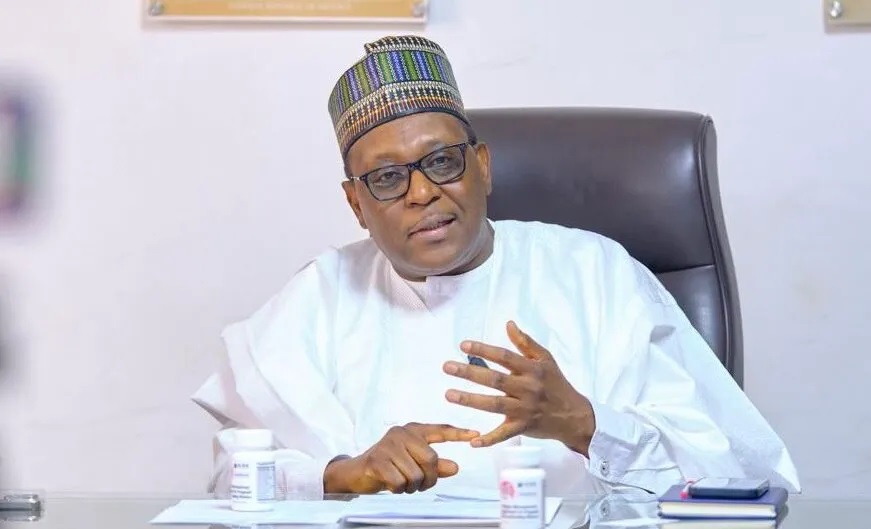
Prof. Muhammed Ali Pate, Coordinating Minister of Health and Social Welfare, said this on Monday in Abuja, at a high-level health security dialogue with the People’s Republic of China on pandemic preparedness and response.
Reflecting on three decades of global assistance, Pate said while international support brought substantial resources and progress, the COVID-19 pandemic revealed the fragility of health systems and the risks of over-dependence.
“You can not outsource the delivery of your health system or the treatment of diseases like malaria, HIV, and TB to taxpayers in other countries.
“It is the primary responsibility of national governments to invest in health and equity,” he said.
He said that Nigeria aimed to exit dependency on external financing by 2030 through gradual increases in domestic health funding from both federal and state governments.
“Wise spending of our own resources can achieve the same results as external funding, while strengthening national ownership and equity.
“We can also attract investments and collaborative projects, but ultimately, the sovereign responsibility rests with Nigeria,” he said.
He highlighted the government’s commitment to working with international partners who respect Nigeria’s laws, policies and financial contributions.
“Over the last 25 years, the world of health financing has been different.
“Today, we are imagining a future where Nigeria leads, invests wisely, and engages the world on terms that respect our sovereignty,” Pate said.
He welcomed new partnerships with countries and companies from America, Europe, China, and beyond, emphasising that collaboration must be grounded in respect and mutual benefit.
Speaking on global solidarity, he said Nigeria remained committed to partnerships that support the broader international community.
“We are all on the path of developing, and developing fast.
“We extend our hand of partnership to every country interested in building bridges of solidarity to secure the world and help others collaboratively address their needs,” he said.
In a symbolic gesture of Nigerian culture and tradition, the minister conferred an honorary village title on Prof. George Gao, a world-renowned virologist and immunologist from China, recognising his distinguished contributions to global health.
Drawing from his heritage in Bauchi State, he said that such titles predated the Nigerian state and honoured individuals who significantly contribute to society’s well-being.
“As a village boy, I know the value of our local chieftaincy systems. Today, it is my pleasure to honour Professor Gao with this traditional title,” he said.
The News Agency of Nigeria (NAN) reports that as countries strengthen their pandemic preparedness systems, more people gain access to the support needed to protect their health.
But for many, staying consistently prepared is still difficult, weakening the effectiveness and reach of existing systems.
Experts say advancing conversations on pandemic preparedness and response is a critical step towards building stronger health systems.