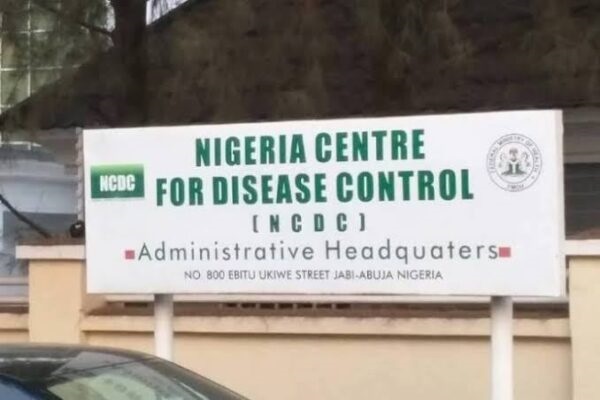
The Nigeria Centre for Disease Control and Prevention (NCDC) has issued an urgent advisory to healthcare workers across the country following a rise in Lassa fever infections, with 15 confirmed cases and two deaths recorded among medical personnel.
The advisory, signed by the Director-General, Dr Jide Idris, was released during the peak transmission period of the viral haemorrhagic disease. High-burden states identified include Ondo State, Edo State, Bauchi State, Taraba State, Ebonyi State and Benue State.
According to the NCDC, surveillance data up to Epidemiological Week 7 show a “concerning increase” in infections among frontline health workers. The agency expressed deep concern about the reported fatalities, stressing that the safety of healthcare personnel remains a top national priority.
“We urge all healthcare personnel to take every necessary measure to prevent Lassa fever infection and the associated loss of life,” the advisory stated.
The centre warned that health workers are most frequently infected through exposure to contaminated blood or bodily fluids, poorly protected clinical procedures, inadequate hand hygiene, and contact with contaminated surfaces or instruments. It added that delayed identification of suspected cases significantly heightens the risk of hospital-based transmission.
Dr Idris emphasised that standard infection prevention and control (IPC) measures must be applied consistently to all patients, regardless of diagnosis. These include strict hand hygiene before and after patient contact, appropriate use of personal protective equipment (PPE), safe handling of specimens and injections, proper medical waste management, and thorough environmental cleaning and disinfection.
The NCDC said it is collaborating with state ministries of health to contain the outbreak. Measures include deploying Rapid Response Teams, distributing PPE to affected states, issuing state-specific advisories, and conducting targeted IPC training at treatment centres.
The agency also commended Edo State for demonstrating effective outbreak control efforts.
“Protecting healthcare workers is central to controlling Lassa fever,” Dr Idris said, urging strict compliance with IPC protocols and the prompt reporting of suspected cases to local disease surveillance officers.