The World Health Organisation (WHO) has appealed for nearly one billion dollars to address escalating health emergencies worldwide, warning that shrinking humanitarian funding is limiting its ability to reach those most in need.
Announcing its 2026 global emergency appeal on Tuesday, WHO said the funding would support millions of people living in conflict zones and humanitarian crisis settings, where access to health care remains severely constrained.
The organisation said that funding received in 2025 enabled WHO and its partners to assist 30 million people, delivering vaccinations to more than five million children, supporting thousands of health facilities and providing millions of medical consultations through fixed and mobile clinics.
The 2026 appeal targets responses to 36 emergencies, including 14 severe Grade Three crises requiring intensive international support.
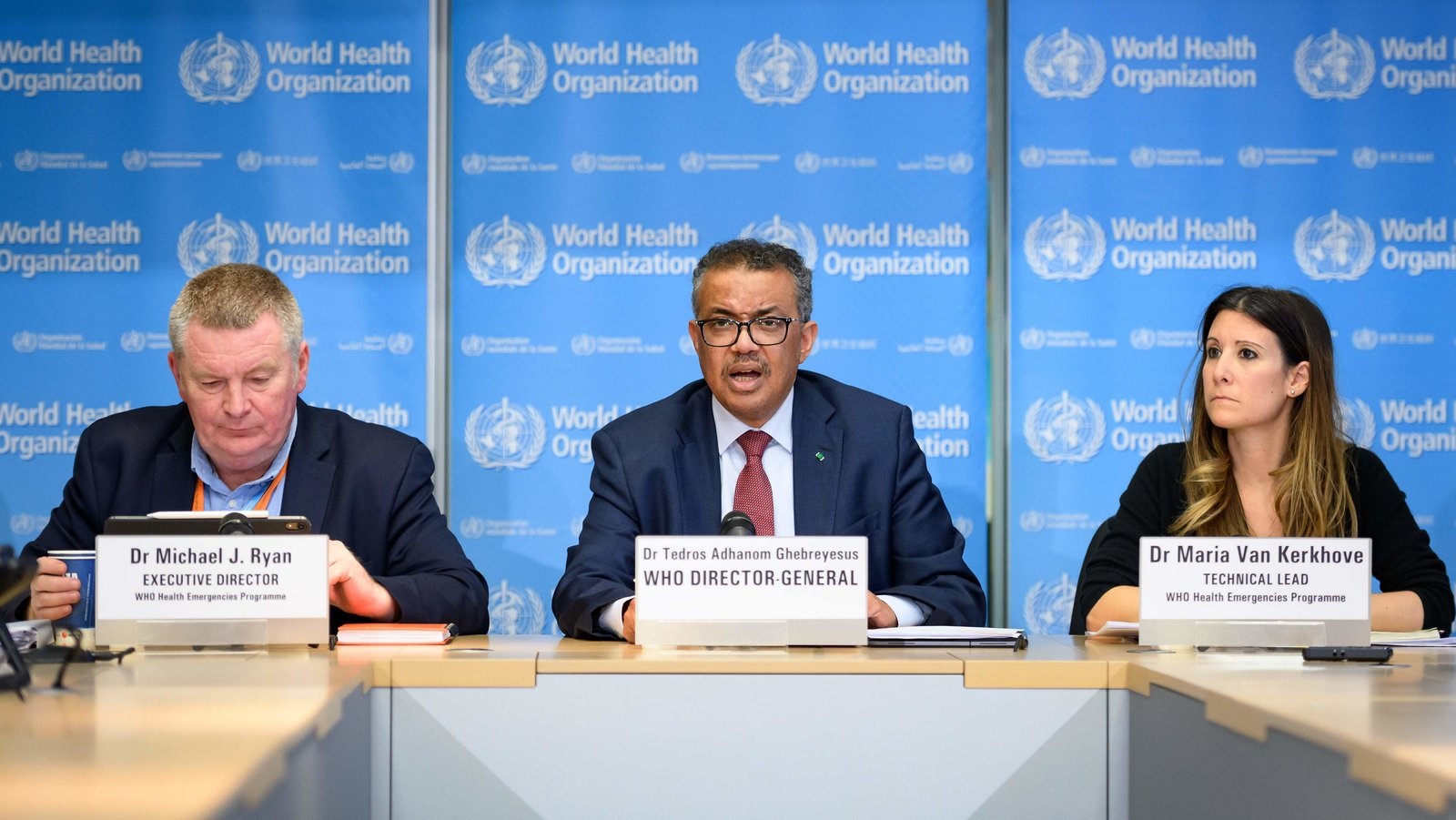
WHO Director-General, Dr Tedros Ghebreyesus, said the appeal was driven by the growing scale and complexity of global emergencies.
“Protracted conflicts, climate change and repeated disease outbreaks are driving unprecedented demand for health emergency assistance, while humanitarian financing continues to contract,” he said.
Ghebreyesus warned that in 2025, funding levels dropped below those recorded in 2016, allowing humanitarian health actors to reach only one-third of the 81 million people originally targeted.
He stressed that renewed global solidarity was urgently needed to protect vulnerable populations, particularly in fragile and conflict-affected settings.
WHO said its priority emergency response countries for 2026 include Afghanistan, the Democratic Republic of the Congo, Haiti, Myanmar, Somalia, Sudan, Ukraine and Yemen, among others.
Speaking at the launch of the appeal, Ireland’s Permanent Representative to the United Nations Office in Geneva, Ambassador Noel White, said every humanitarian crisis was also a health crisis, reaffirming Ireland’s support for WHO through flexible and predictable funding.
Norway’s Deputy Permanent Representative, Marita Sørheim-Rensvik, also underscored WHO’s critical role in delivering life-saving care in some of the world’s most complex emergencies and called on member states to strengthen their support for the organisation.