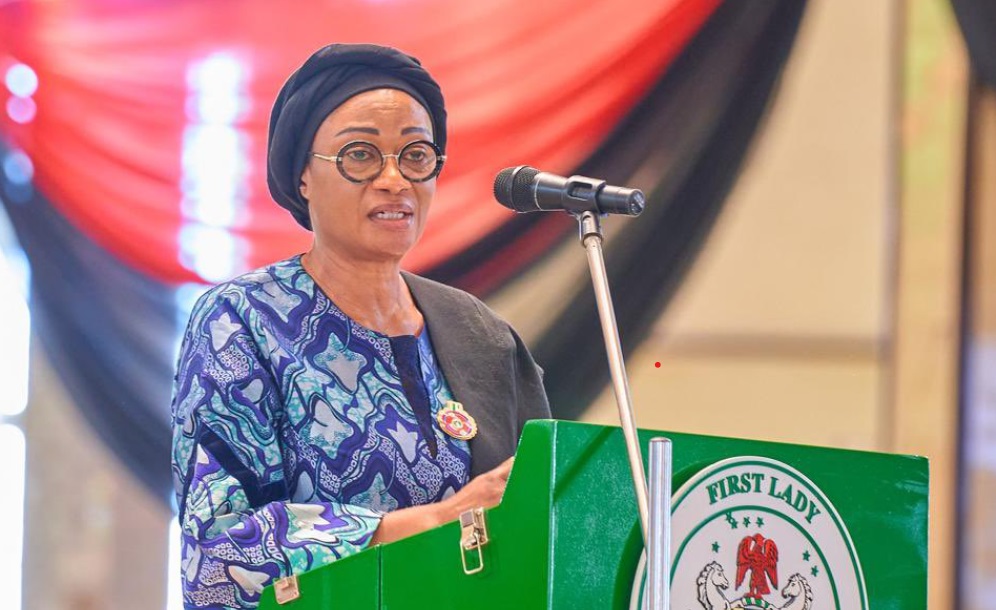
As Nigeria joined the global community to mark World AIDS Day on Monday, First Lady Senator Oluremi Tinubu called for renewed commitment, increased domestic financing, and collaborative efforts to end HIV/AIDS as a public health threat by 2030.
Speaking at the 2025 World AIDS Day commemoration in Abuja, themed “Overcoming disruption, transforming the AIDS response,” Mrs. Tinubu commended Nigeria’s progress in HIV prevention, treatment, and care but stressed that “the fight is far from over.”
She noted that Nigeria’s HIV response remains heavily donor-dependent and urged greater sustainability, highlighting efforts through the National AIDS and STD Control Programme (NASCAP) and the Free to Shine campaign by the Organisation of African First Ladies for Development (OAFLAD). The campaign aims for the triple elimination of HIV, hepatitis, and syphilis by 2030, focusing on early testing, treatment, and stigma reduction for mothers and children.
Mrs. Tinubu also welcomed the Federal Government’s approval of $200 million to support the HIV, Tuberculosis, and Malaria programme and highlighted engagements by the National Agency for the Control of AIDS (NACA) with state governments to ensure sustainability. She encouraged young people to get tested and communities to foster a culture of love, acceptance, and support, emphasizing that “HIV/AIDS is no longer a disease of shame.”
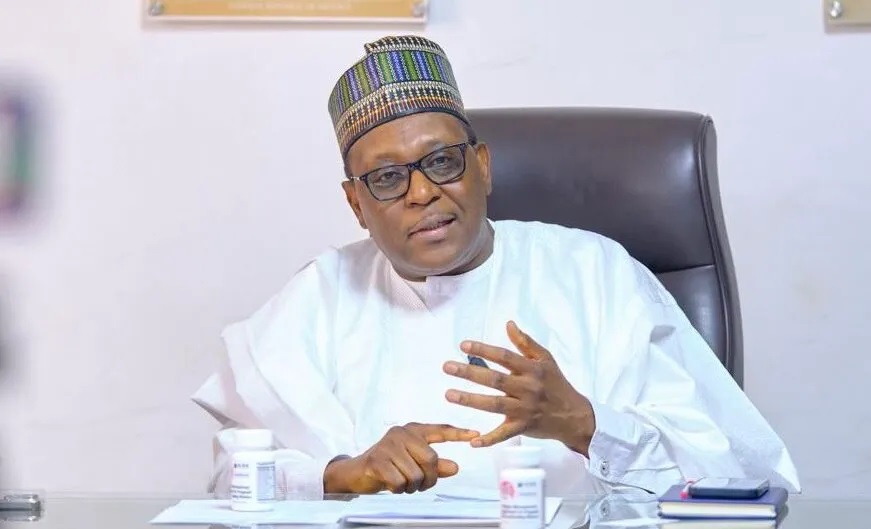
In his opening remarks, Minister of State for Health and Social Welfare, Dr. Iziaq Salako, disclosed that Nigeria has surpassed major global HIV targets despite economic pressures and declining international aid. “We have put 98 per cent of Nigerians living with HIV who know their status on treatment, achieved 95 per cent viral suppression, and are on track to ensure at least 95 per cent know their status,” he said.
Dr. Salako highlighted policy milestones, including lowering the consent age for HIV testing from 18 to 14, integrating HIV services with TB, malaria, nutrition, and RMNCAH programs, expanding Pre-Exposure Prophylaxis (PrEP) options nationwide, and strengthening the National Clinical Mentorship Programme. He warned that gaps remain, particularly new infections among young people, stigma, and inequities in access.
NACA Director-General Dr. Temitope Ilori praised Nigeria’s resilience, reporting an 87–98–95 performance on HIV targets and a 46% reduction in new infections over the last decade. She noted that 1.9 million Nigerians are living with HIV, with adult prevalence dropping to 1.3% from 2.8% in previous years.
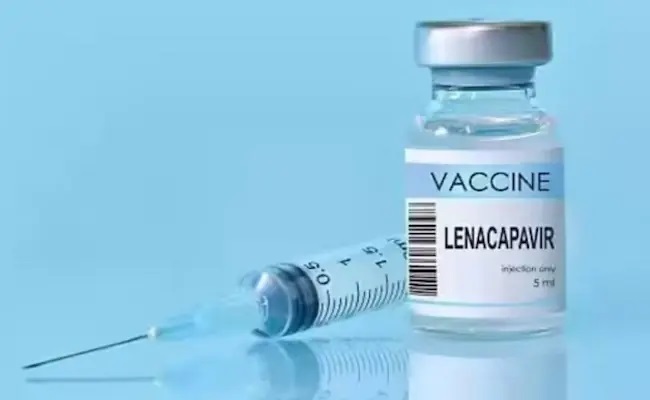
Dr. Ilori highlighted innovations in prevention, including twice-yearly injectable PrEP, now priced at $40 per person per year. She commended President Bola Ahmed Tinubu for his $200 million investment, which ensured continuity of essential services amid donor uncertainties.