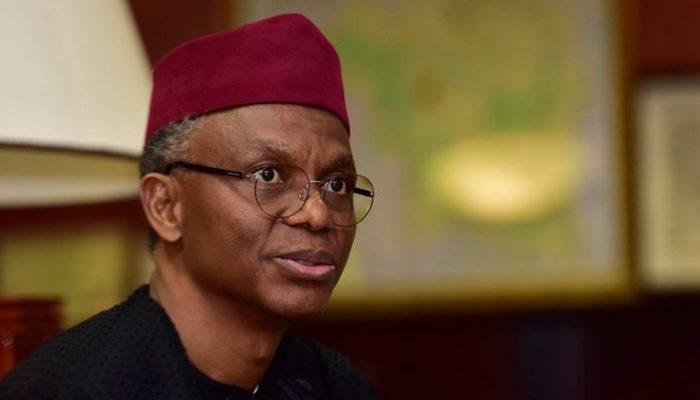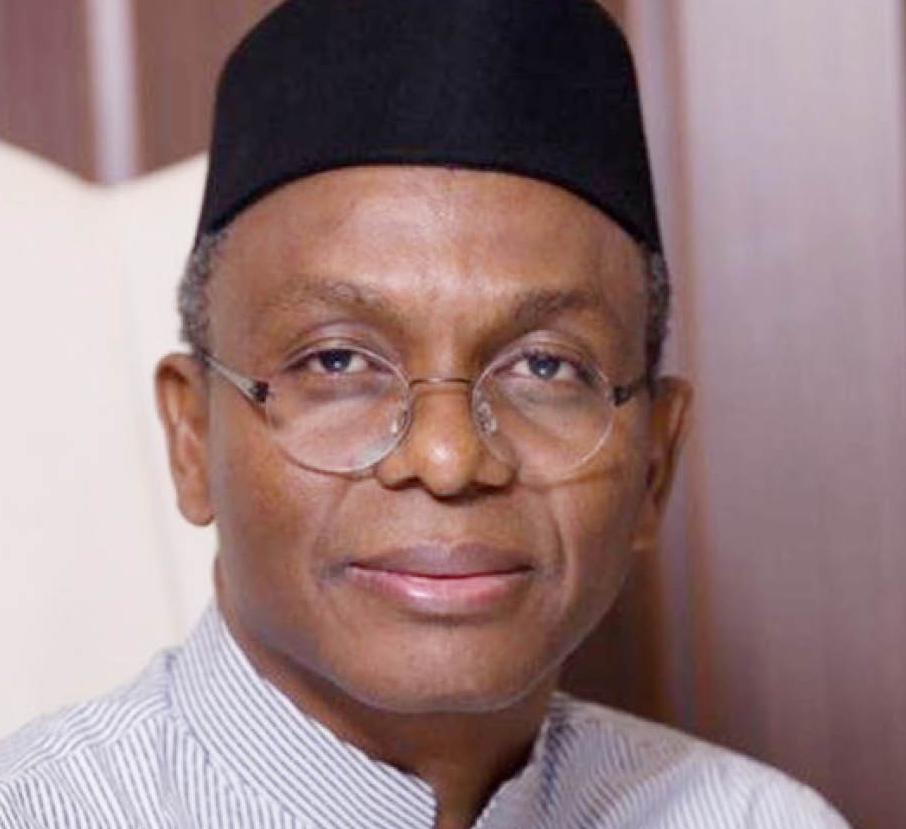
In a startling turn of events, former Kaduna State governor Nasir El-Rufai was arrested by the Department of State Services (DSS) on Wednesday evening, just moments after being released by the Economic and Financial Crimes Commission (EFCC). El-Rufai had been in EFCC custody since Monday, facing serious corruption allegations.
Witnesses reported that El-Rufai was granted bail around 8 PM on Wednesday but was quickly taken into custody by armed operatives from the DSS, who had been waiting for him outside the EFCC headquarters. Following his arrest, he was transported to the DSS headquarters in Asokoro, Abuja, although the timeline for his release remains uncertain.
The DSS’s actions are connected to allegations that El-Rufai unlawfully intercepted communications belonging to Nigeria’s National Security Adviser (NSA), Nuhu Ribadu. On Monday, the DSS charged him with cyber-crimes at the Federal High Court in Abuja based on the phone-tapping allegation.
### Phone-Interception Allegations
The case, registered as FHC/ABJ/CR/99/2026, stems from comments made by El-Rufai during a live interview on Arise TV last Friday. He claimed that the NSA’s phone had been tapped, allowing him to overhear instructions to detain him. This alleged directive led to a confrontation at Nnamdi Azikiwe International Airport shortly after his return from Cairo, Egypt, where security personnel reportedly attempted to arrest him, seizing his international passport in the process.
Following the interview, DSS prosecutors moved swiftly to file cyber-crime charges against El-Rufai. The allegations assert that he admitted to intercepting the NSA’s communications and failed to report others involved in unlawful interceptions, thereby compromising public safety and national security. These actions are said to contravene the Cybercrimes (Prohibition, Prevention, etc.) (Amendment) Act, 2024, and the Nigerian Communications Act, 2003. As of now, no arraignment date has been set, and El-Rufai has not publicly responded to the charges.
### Background
El-Rufai’s legal troubles began after his return from Cairo last Thursday when security operatives allegedly attempted to detain him at the airport. Footage circulating on social media captured the confrontation between security personnel and his entourage, during which his passport was confiscated.
In his statements, El-Rufai claimed that the attempted arrest was orchestrated under the NSA’s instructions via the DSS. His lawyer, Ubong Akpan, condemned the actions as arbitrary and in violation of constitutional rights. Akpan noted that the EFCC’s invitation had been delivered to El-Rufai’s residence while he was abroad, making compliance impractical. He asserted that his client had informed the EFCC of his intent to attend voluntarily upon his return on Monday at 10 AM.
Akpan demanded the immediate return of El-Rufai’s passport, labelling its seizure as an infringement on his dignity and freedom of movement, and warned of potential legal action should El-Rufai face unlawful detention.
On Monday, the DSS filed charges in Abuja alleging the unlawful interception of the NSA’s communications. This came just days after El-Rufai’s live interview, where he claimed to have intercepted a conversation revealing plans for his detention.
### Ongoing Scrutiny
Since leaving office, El-Rufai has faced increasing scrutiny, including allegations of diverting N423 billion in public funds. In 2024, the Kaduna State House of Assembly called for investigations into his administration, and he has been summoned by the Independent Corrupt Practices and Other Related Offences Commission (ICPC) for questioning.
El-Rufai’s political career has also seen significant upheaval. Initially a supporter of Bola Tinubu’s candidacy for the APC presidential nomination in 2023, the two have since experienced a falling out. After an early attempt to appoint El-Rufai as a minister was unsuccessful, he became a vocal critic of the current administration.
Recently, El-Rufai has joined the opposition African Democratic Congress (ADC) and pledged to collaborate with like-minded politicians to challenge Tinubu’s potential re-election in 2027.
### Conclusion
The unfolding saga surrounding Nasir El-Rufai serves as a striking reminder of the complexities within Nigeria’s political landscape and the legal ramifications that can follow public allegations of corruption. As the situation develops, all eyes will be on the judiciary to see how the charges against El-Rufai will be handled and what implications they may carry for his future and that of the broader political environment in Nigeria.
As the nation watches closely, the interplay of power, accountability, and the rule of law remains a critical focal point in Nigeria’s ongoing narrative.