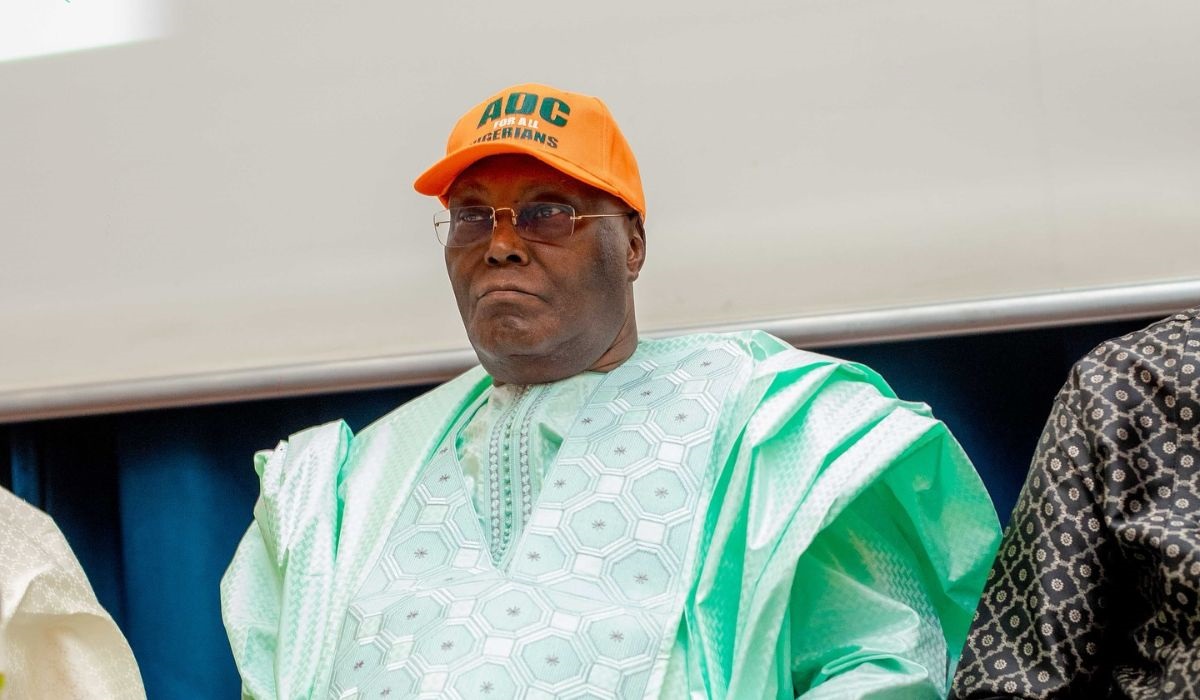
Former Vice President Atiku Abubakar has dismissed concerns about a possible defection amid the ongoing leadership crisis within the African Democratic Congress (ADC), reaffirming his commitment to the party and confidence in resolving internal disputes through legal means.
Speaking in an interview with BBC Pidgin, Atiku rejected claims that time constraints could hinder his political ambitions ahead of the 2027 general elections.
“Observers are not lawyers,” he said. “Oh yes, we can meet up.”
Reacting to recent developments involving the Independent National Electoral Commission (INEC) and the faction led by David Mark, Atiku maintained that his camp remains unshaken.
“We have not even started our congresses from the ward level,” he stated, noting that the matter has been returned to court for resolution.
He expressed optimism that the trial court would address the dispute promptly—possibly before the commencement of party congresses—and ultimately recognize the leadership aligned with Mark.
Addressing speculation that other political parties are making overtures to him amid the ADC crisis, Atiku downplayed the likelihood of leaving the party.
“Some of these parties haven’t got the structures,” he said, stressing that the ADC remains a strong and viable political platform.
He added that the broader opposition coalition he belongs to has been in development for over a year and a half, with considerable groundwork already completed.
Atiku noted that efforts are underway to conclude internal processes swiftly, enabling the coalition to continue its political activities alongside figures such as Peter Obi and Rabiu Kwankwaso, as well as other stakeholders.
On concerns that his chances of securing the ADC presidential ticket in 2027 may be declining, Atiku dismissed such claims, emphasizing unity within the coalition.
“It is a coalition we have agreed—we are all leaders, and we believe there is room for everybody. It can accommodate everybody,” he said.
The former vice president also addressed Nigeria’s worsening security situation, citing recent killings in Plateau State and persistent attacks in Borno State by Boko Haram.
He criticized the federal government’s handling of security, arguing that it has not shown sufficient commitment to protecting citizens.
“If we could fight a civil war in a rainforest and succeed, how much more in the northern savannah?” he said, referencing the Nigerian Civil War.
According to Atiku, inadequate manpower and poor equipment among security forces remain key challenges, concluding that Nigeria’s security situation reflects a broader failure of political leadership.