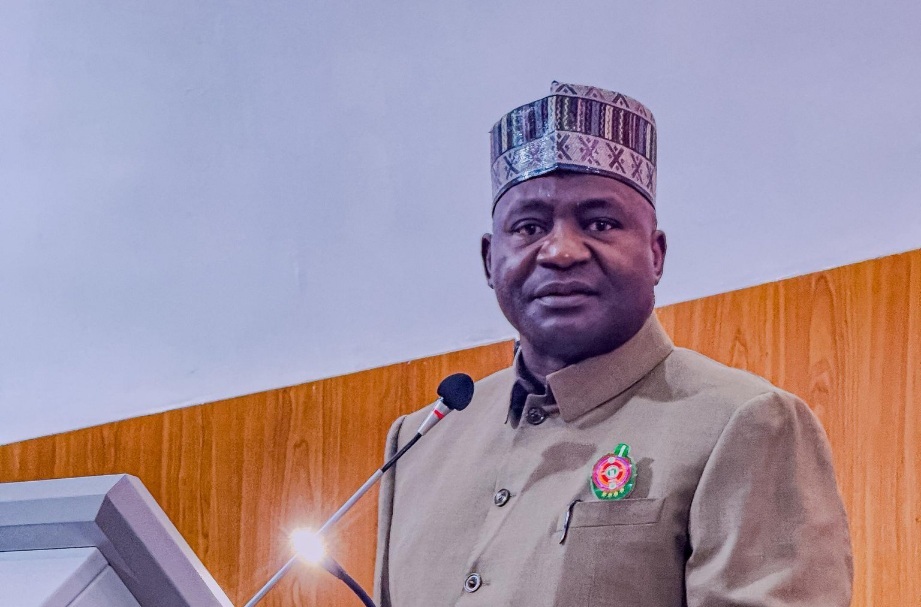
Mr Sunday Fowowe, National President, Association of Nursery and Primary Education Instructors in Nigeria, has called for urgent and coordinated measures to address rising attacks on schools by kidnappers.
Fowowe made the call in an interview with the News Agency of Nigeria (NAN) on Tuesday in Lagos.
He expressed concern over increasing cases of abduction of schoolchildren and teachers.
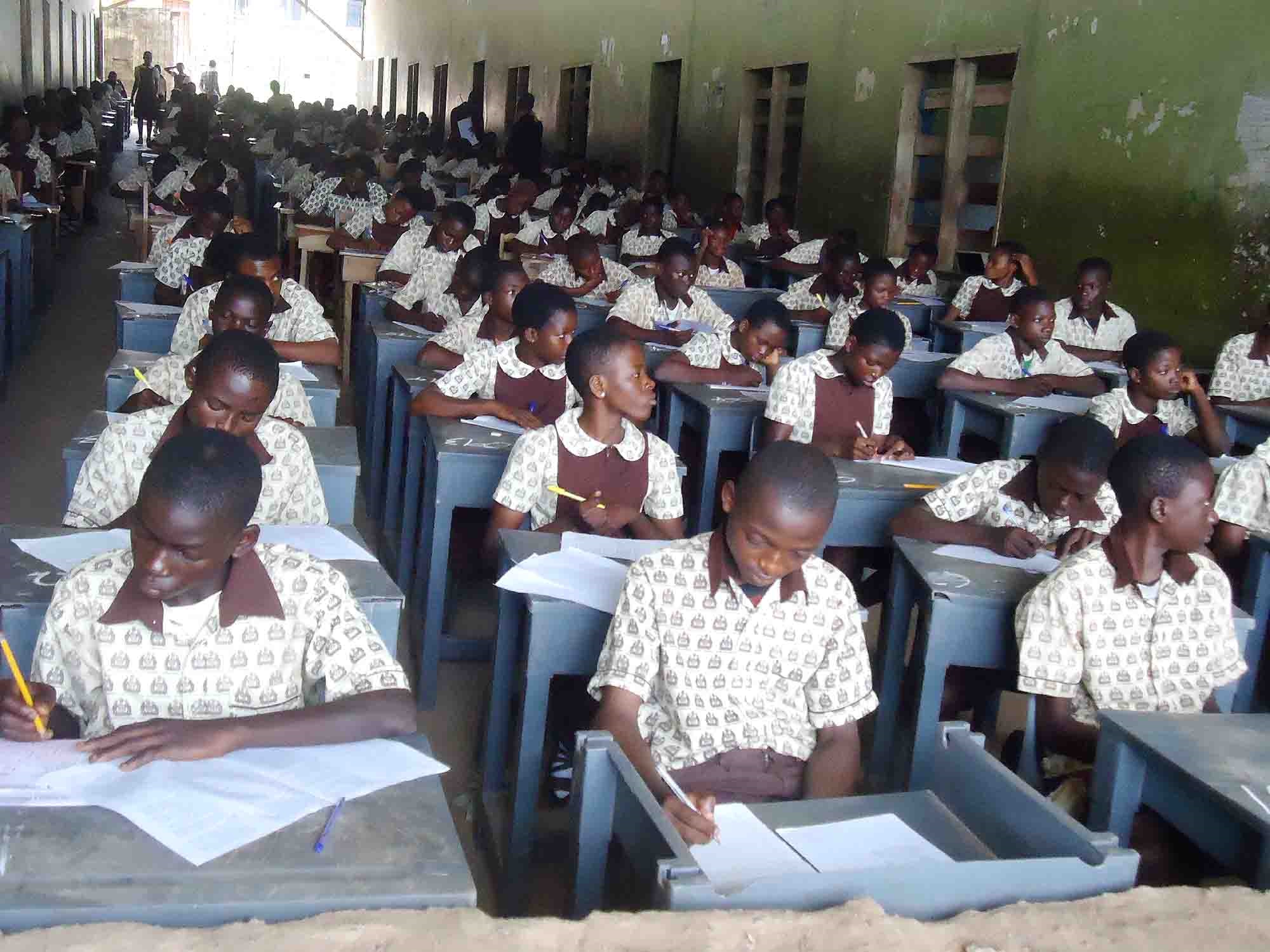
According to him, insecurity remains one of the greatest challenges confronting Nigeria’s education sector, with thousands of students affected since the 2014 Chibok schoolgirls’ abduction.
He said that reports by UNICEF and the Global Coalition to Protect Education from Attack indicated that insecurity had contributed significantly to declining school attendance across the country.
“Nigeria had over 18 million out-of-school children as at 2025, making it the country with the highest number globally.
“Fear created by repeated attacks on schools has forced many parents, especially in vulnerable communities, to withdraw their children from school,” he said.
Fowowe said the situation had become more alarming for girls, as many families feared exposing them to security risks associated with attending school.
He added that some communities had completely abandoned public education because of persistent insecurity.
According to him, beyond the immediate physical dangers, victims of school attacks often suffer long-term psychological trauma capable of affecting their emotional stability, cognitive development and academic performance.
The educationist said that addressing the crisis would require a multi-layer strategy involving government, security agencies, communities and other education stakeholders.
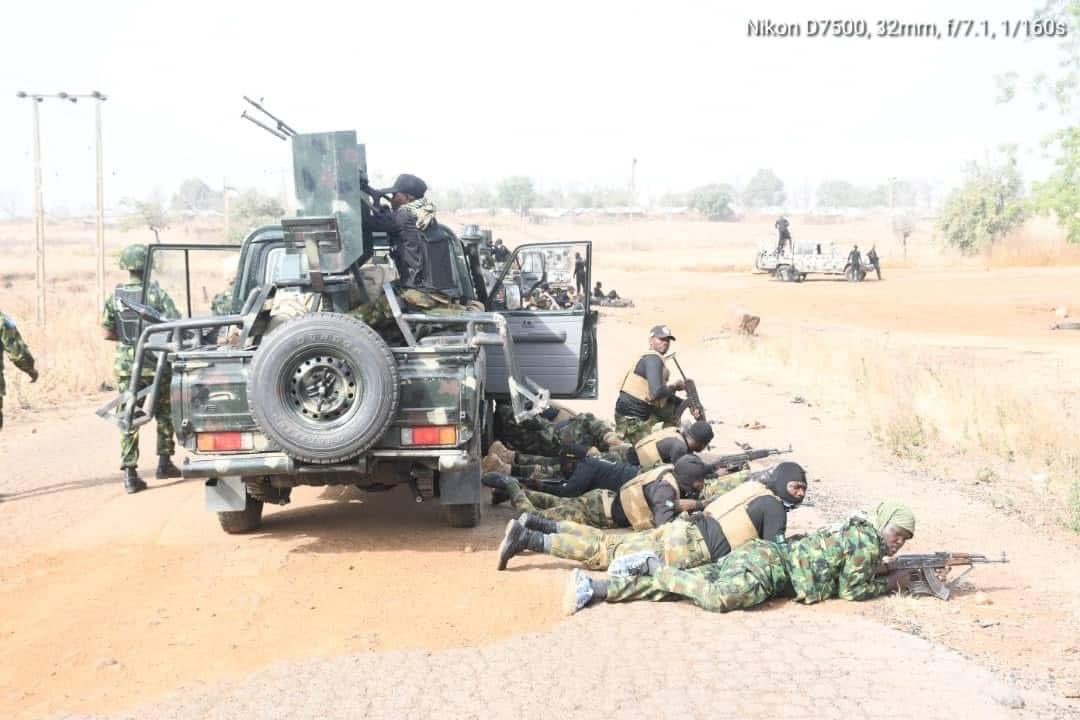
He called for deployment of trained security personnel and rapid response teams to vulnerable schools across the country.
Fowowe also advocated stronger community policing initiatives and intelligence gathering mechanisms to prevent attacks before they would occur.
He urged the federal government to install surveillance technologies, alarm systems and emergency response protocols in high-risk areas.
According to him, the Safe Schools Initiative should be expanded to cover more vulnerable communities, with regular monitoring and evaluation to ensure effectiveness.
He also emphasised the need for improved welfare, training and accountability for security personnel assigned to protect educational institutions.
Fowowe called for increased investment in education, especially in rural and conflict-prone areas, to ensure that insecurity would not deny children access to quality education.
“Education cannot flourish in an environment of fear.
“Protecting schools and ensuring safety of learners must be treated as a national priority,” he said.
He said that Nigeria’s future prosperity and stability would depend largely on the education, security and confidence of its children.