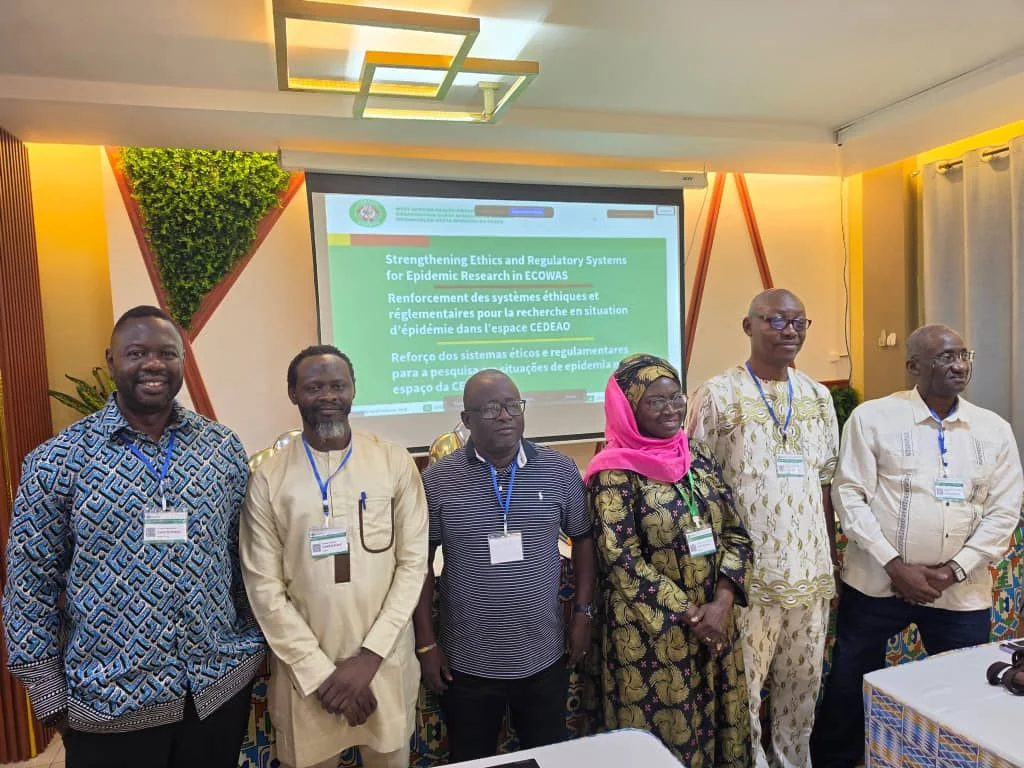
The Dean, Faculty of Communications and Media Studies, Bingham University, Prof. Desmond Onyemechi Okocha, has introduced the Environmental Dynamo Theory as a new framework for understanding how media messages are interpreted differently across diverse audiences in contemporary society.
The theory challenges earlier assumptions within communication studies that media messages produce uniform effects, instead proposing that individual interpretation is shaped by a dynamic interaction of multiple factors. According to Prof. Okocha, the modern media environment is far more complex, requiring analytical models that reflect the diversity of human experience.
Explaining the concept, he noted that media meaning is not fixed but is constructed through the interaction of three core elements: the audience, the media, and the environment.
“The same message can produce different reactions because people do not receive information in isolation; their background, beliefs, and circumstances shape their interpretation,” he said.
Prof. Okocha explained that the audience component includes variables such as culture, education, religion, age, and personal experiences, all of which act as filters in processing media content. The media component, he added, involves factors like news framing, ownership structures, language, and the role of gatekeepers, while the environment encompasses broader influences such as political climate, economic realities, social norms, and access to technology.
He emphasised that the theory rejects the notion of a “one-size-fits-all” media effect, arguing instead that media influence is fluid and context-dependent in a postmodern, highly individualised society.
To illustrate the theory’s relevance, Prof. Okocha referenced the varied public responses to COVID-19 vaccination campaigns in Nigeria, where identical media messages yielded contrasting outcomes among different demographic groups.
“In urban centres, educated populations with access to global information were more receptive, while in some rural areas, cultural beliefs, religious interpretations, and limited access to verified information shaped resistance,” he explained.
He further noted that generational differences also played a role, with younger audiences relying more on social media sources, while older populations tended to trust traditional communication channels.
According to him, the Environmental Dynamo Theory provides a practical tool for media practitioners, policymakers, and researchers to better understand audience behaviour and design more effective communication strategies.
“This framework helps us move beyond simplistic assumptions and appreciate the complex forces that shape how people engage with information in today’s media landscape,” Okocha added.
The theory is expected to contribute significantly to ongoing debates in digital journalism, strategic communication, and media research, particularly in societies characterised by cultural diversity and uneven access to information.
Prof. Okocha concluded that understanding these dynamics is essential for fostering more inclusive, responsive, and impactful communication in an increasingly interconnected world.