Al-Habibiyah Islamic Society has called on the Federal Government to remove tax on charitable properties to enable the new tax law work effectively.
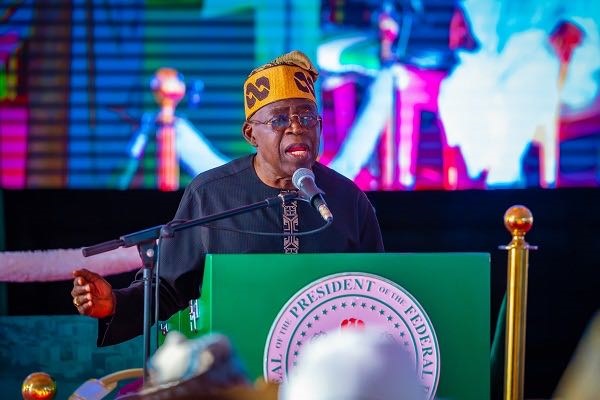
Its National Chief Imam/Executive Director, Imam Fuad Adeyemi, made the call on Sunday at the 23rd Annual Ramadan National Unity Lecture in Abuja.
The theme of the lecture was “Making the New Tax Work: The Zakat and Waqf Concern”.
Adeyemi said that in some other developed countries, the tax on charitable properties was usually removed because Islam prohibited such taxes.
“The issue is that when you have a property that you are using for charity, do you pay tax on it? In some other developed countries, the tax on that is removed.
“We want to call attention of government that tax should not be paid on charitable properties. So, this Ramadan lecture is imperative in order to make the tax work.
“If the government insists that tax must be paid on charitable things, the tax will not work. So, there should be a meeting point where either tax is reduced or is removed on such properties,” he said.
Prof. Usman Shuaib, the Guest Lecturer and Director, International Institute of Islamic Banking and Finance, Bayero University, Kano State, said that the essence of the lecture was for the Muslim Ummah to meet the new tax law.
The don said, “There is taxation of Allah which is Zakat, and there is the taxation of the tax authority in accordance with the Nigeria Tax Act 2025.
“We are conversing for making Zakat a tax deductible donation.
“This is because some of the donation within the corporate landscape, in corporate organisations, if they make donation is treated as Zakat, as tax deductible donation.
“It will be treated as such as part of the allowable deduction and they will not be subjected to taxation on the donation they made to charitable causes,” he said.
Shuaib said that in the new consolidated tax act under section 30 subsection 2, certain deductions, certain allowances were given.
According to him, these are called eligible deduction that are allowed to be taken out of the radar of taxation. They will be deducted before the taxable income may be determined.
“So, this includes some other things having to do with relief, like rent for your housing, contribution to pension scheme, like payment to the national health insurance scheme, national housing fund and so on.
“Of all these allowable deductions, about six of them, Zakat is not factored. And Zakat is obligated on a Muslim.
“If you give those allowances to certain other expenses, we are saying Zakat also should qualify as allowable deduction before determining the income that is taxable by the tax authorities,” he said.