A new analysis by the World Health Organisation (WHO) and its cancer research arm, the International Agency for Research on Cancer (IARC), has revealed that more than a third of cancer cases worldwide are linked to preventable risk factors.
The report, released ahead of World Cancer Day on 4 February, estimates that 37 per cent of all new cancer cases in 2022—about 7.1 million cases—were associated with avoidable causes.
The analysis assessed data from 185 countries and covered 36 types of cancer, examining 30 preventable risk factors such as tobacco use, alcohol consumption, obesity, physical inactivity, air pollution and ultraviolet radiation. It also included nine cancer-causing infections for the first time.
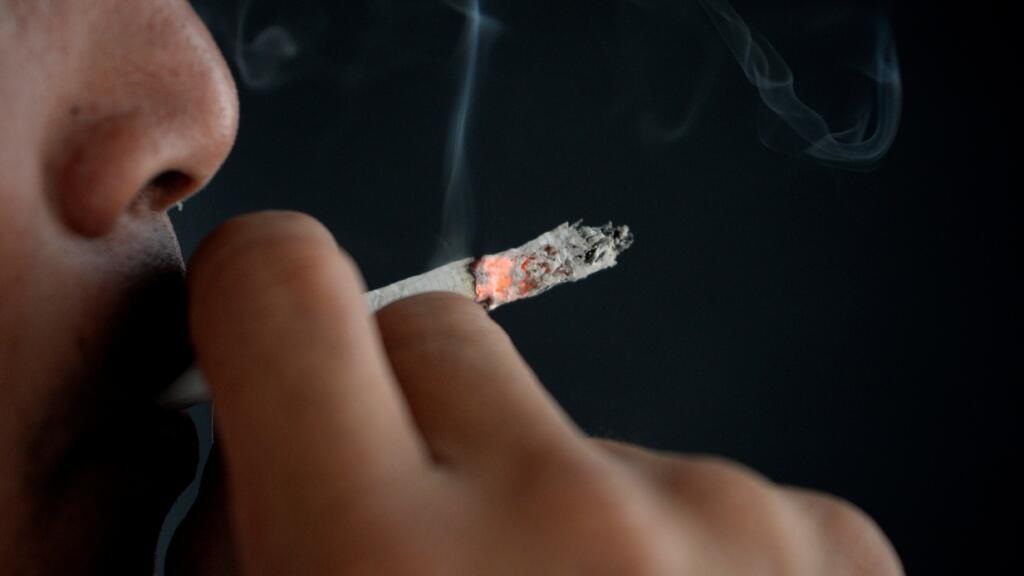
According to the findings, tobacco use remained the single largest preventable cause of cancer globally, responsible for 15 per cent of new cases. Cancer-causing infections accounted for 10 per cent, while alcohol consumption contributed three per cent.
The report showed that lung, stomach and cervical cancers accounted for almost half of all preventable cases worldwide. Lung cancer was primarily linked to smoking and air pollution, stomach cancer to Helicobacter pylori infection, and cervical cancer to human papillomavirus (HPV).
WHO’s Cancer Control Team Lead, Dr André Ilbawi, said the study provided governments with clearer evidence to guide prevention policies and reduce cancer risk before disease develops.
The report found notable gender disparities, with preventable causes accounting for 45 per cent of cancer cases in men, compared with 30 per cent in women. Smoking was the leading risk factor among men, while infections were the main contributor among women.
Dr Isabelle Soerjomataram of the IARC said preventable cancer rates varied widely across regions, reflecting differences in exposure to risk factors, socioeconomic conditions and healthcare capacity.
She emphasised the need for region-specific prevention strategies, including stronger tobacco and alcohol control, vaccination against HPV and hepatitis B, improved air quality and healthier living environments.
She added that coordinated global action could prevent millions of cancer cases, reduce long-term healthcare costs and improve overall population health.