Nigerian legislator Obi Aguocha has warned that attempts to abruptly end the Monday sit-at-home protests in the South-East could prove counterproductive unless handled with caution and inclusive consultations.
In a statement released on Wednesday, Aguocha said any decision affecting the long-standing protest must involve extensive engagement with stakeholders across the region.
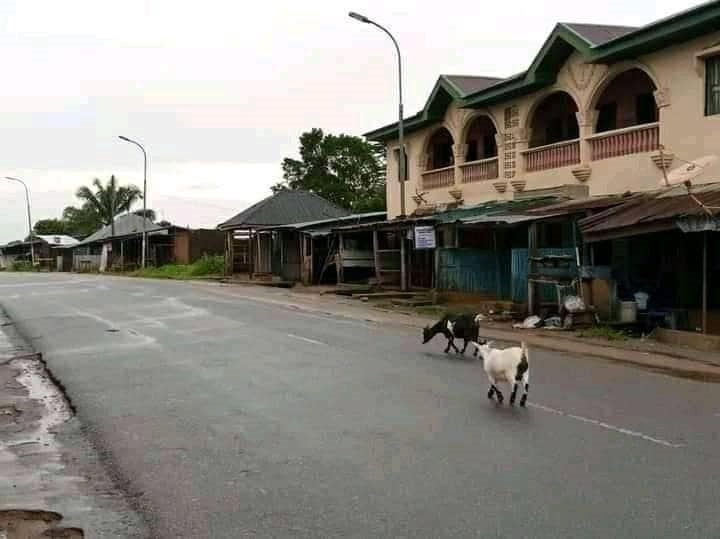
The sit-at-home action, enforced by the outlawed Indigenous People of Biafra (IPOB), is aimed at pressuring the federal government to release detained separatist leader Nnamdi Kanu. Each Monday, businesses, schools and transport services are shut down, often under threat of violence.
The issue returned to the spotlight after Anambra State Governor Charles Soludo ordered a full resumption of economic activities on Mondays and directed the closure of markets that failed to comply. The move sparked demonstrations by traders and market groups in parts of the state.
Aguocha, who represents a federal constituency in Abia State, said the region had been making gradual progress towards normalcy, with many commercial hubs reopening after years of disruption.
He argued that the governor’s approach, although intended to restore order, had heightened fear among residents and revived unresolved tensions.
“Private individuals and business owners have the right to decide when to trade,” Aguocha said, adding that such freedoms cannot be overridden by government directives or enforced through punitive measures.
The lawmaker maintained that lasting peace in the South-East would require addressing deeper grievances, including the continued detention of Nnamdi Kanu, reforms to Nigeria’s justice and electoral systems, and fairer distribution of political power and development.
He pledged to pursue these goals through legislative engagement and dialogue, while calling on residents of the region to maintain calm and reject violence.