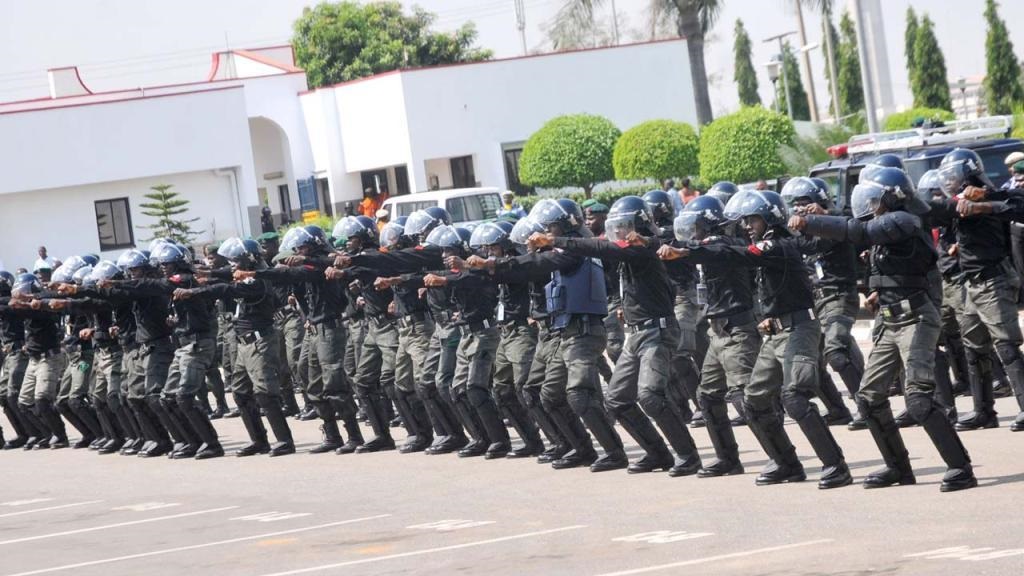
Nigerians remain divided over the proposal to create state police, a survey by the News Agency of Nigeria (NAN) has revealed.
Supporters argue that a decentralised policing system would improve security, while opponents warn that the risks could outweigh the benefits.
In Abia State, Chief Sam Onuigbo, member of the Governing Board of the North-East Development Commission, expressed full support for the proposal. He said Nigeria’s security challenges make a localised policing system necessary.
“Decentralisation will allow more community-centric policing and ensure effective coverage in a rapidly expanding nation,” Onuigbo said. He noted that Nigeria’s police-to-population ratio falls short of United Nations recommendations.
Onuigbo dismissed fears of conflict between state and federal police, emphasising that operational boundaries would be clearly defined. “State police in Abia cannot operate in Imo, but the federal police can coordinate between states when needed,” he said.
Critics, however, remain cautious. Aaron Uzodike, an Abia State legislator, warned that state police could be misused by governors for political purposes. He also questioned how states could fund their own forces, given their dependence on federal allocations, and highlighted the need for constitutional amendments.
Legal experts agreed that Nigeria is not yet ready for state police without clear legal frameworks. Chief Emenike Azubuike, legal adviser to the African Democratic Congress in Abia, said that states would need more autonomy before a state police system could work effectively.
Similar debates are ongoing in Imo State. Commissioner of Police Aboki Danjuma supports state police, calling for community collaboration to strengthen crime prevention. Chief Press Secretary to Governor Hope Uzodimma, Oguwike Nwachukwu, said local vigilance groups could be transformed into a well-equipped state police force once constitutional approval is secured.
Former Imo House Speaker Kennedy Ibeh suggested a “hybrid model,” where state police focus on community security while federal police tackle cross-border crimes. Legal practitioner Pius Anyanwu called for independent oversight at the state level, and human rights advocate Chibuikem Anunwa recommended citizen advisory boards to prevent abuses.
While the idea of state police enjoys growing support, concerns remain over funding, political interference, and constitutional hurdles.